Procedure
SMAS layer repositioning — not surface skin tightening alone

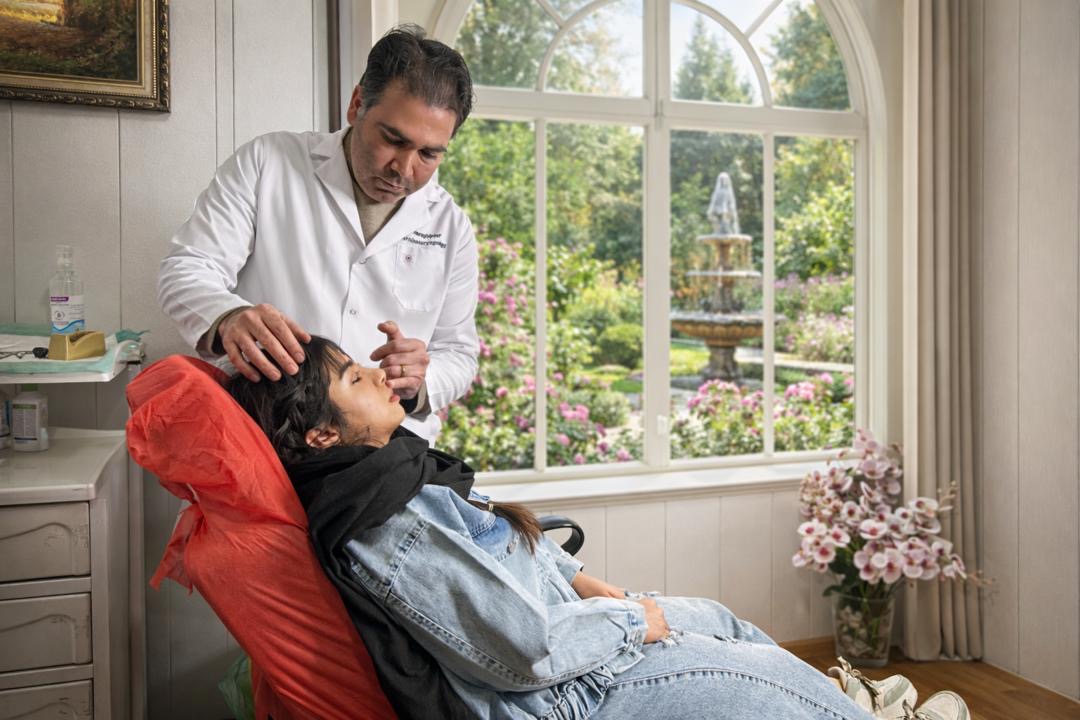
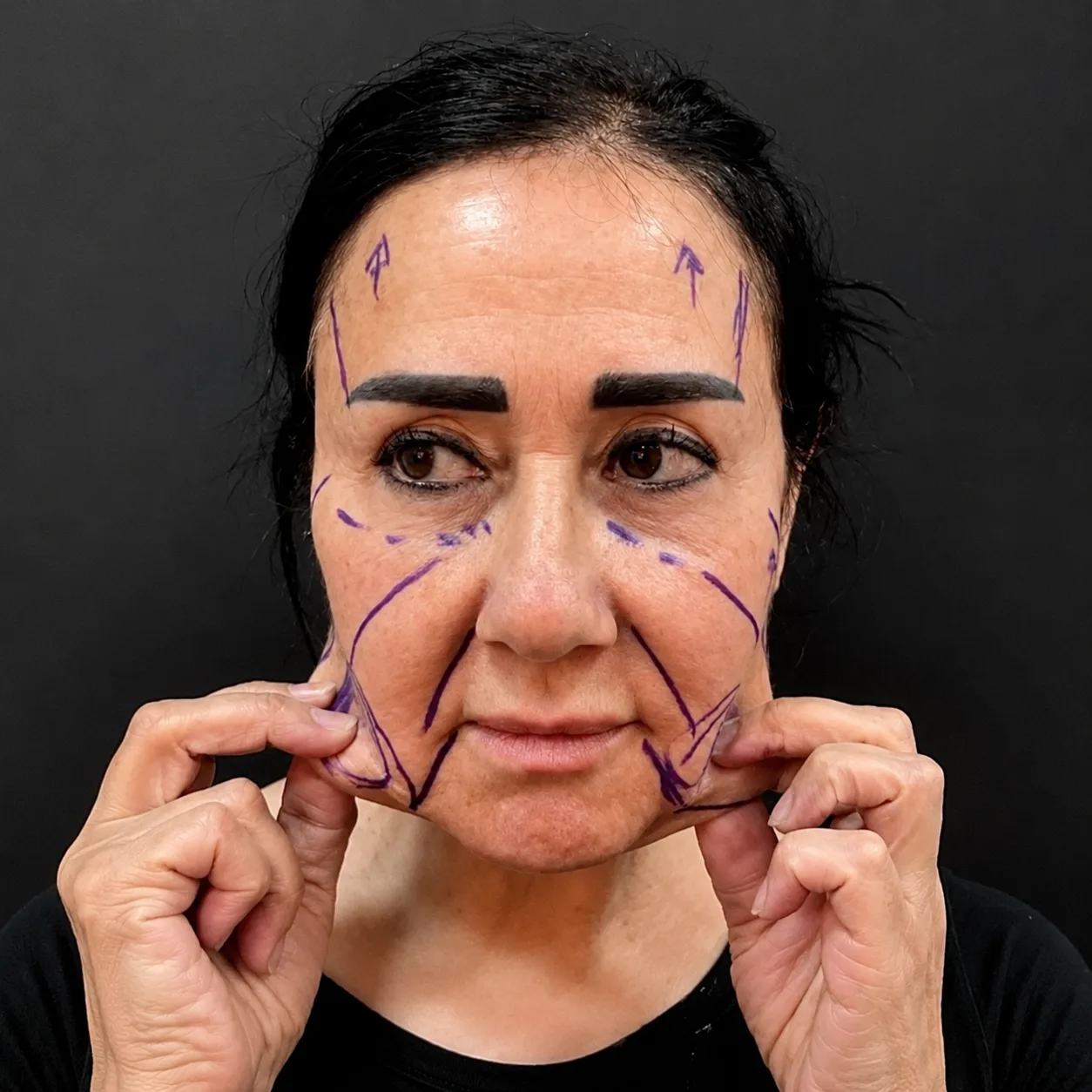
A facelift is a specialized facial rejuvenation surgery that repositions deeper soft-tissue layers — including the SMAS — to improve cheek descent, jawline laxity, and skin sagging. This page is an educational guide covering techniques, candidacy, recovery, risks, and how to choose a surgeon. When you are ready for a clinic evaluation and treatment plan, use the face lift service page.
Expanded context for each item — see Key Facts above for the quick snapshot.
This information is for awareness only and does not replace a specialist consultation.
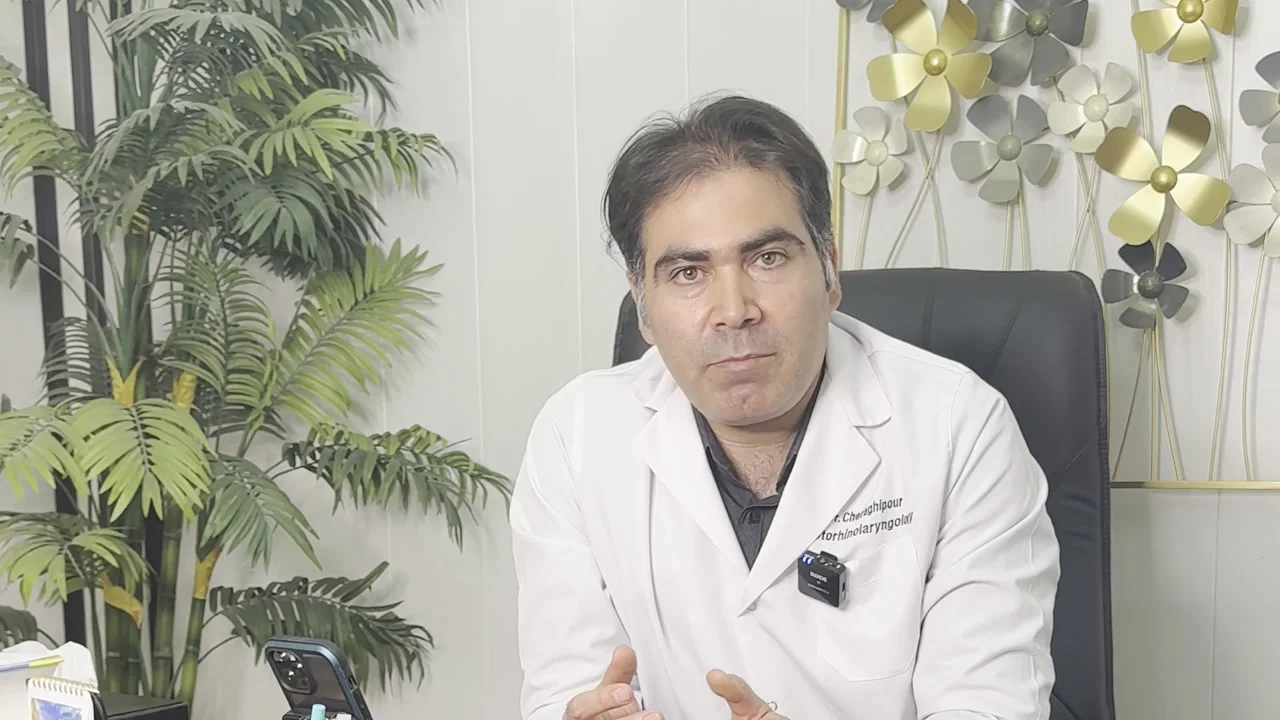
→ Video: How long does a facelift last?
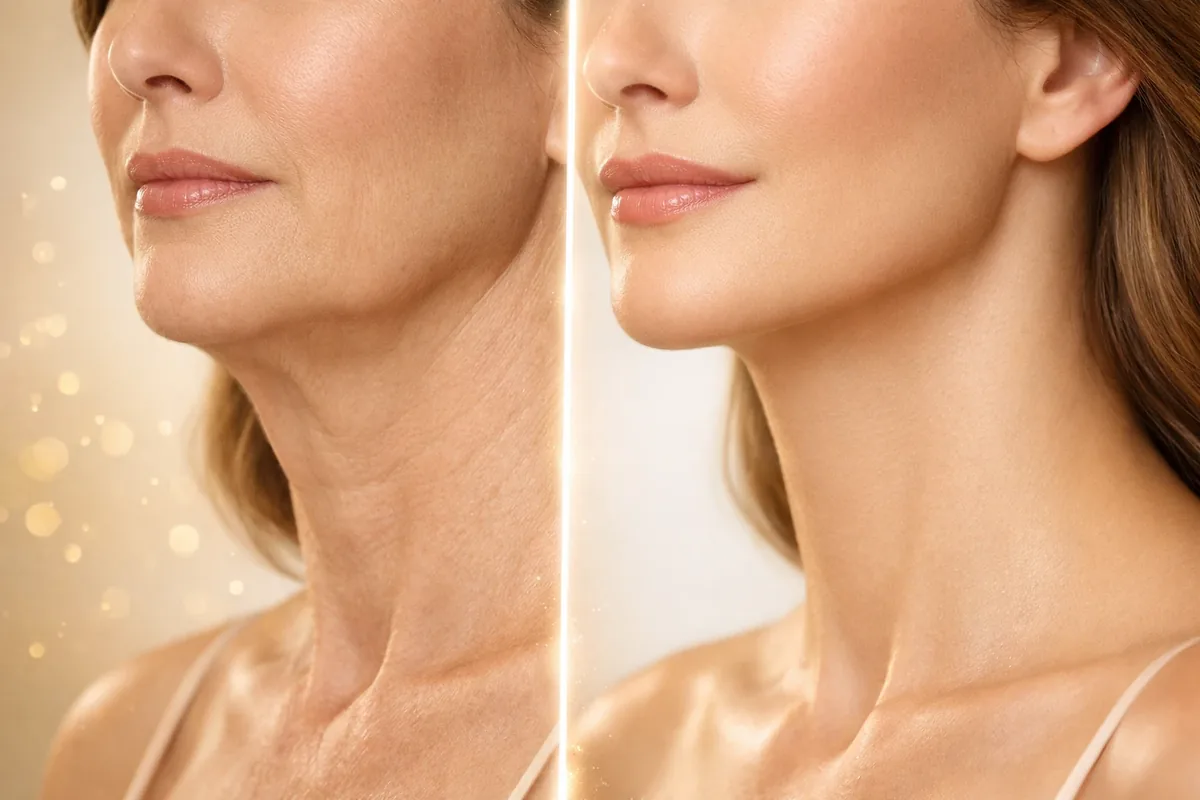
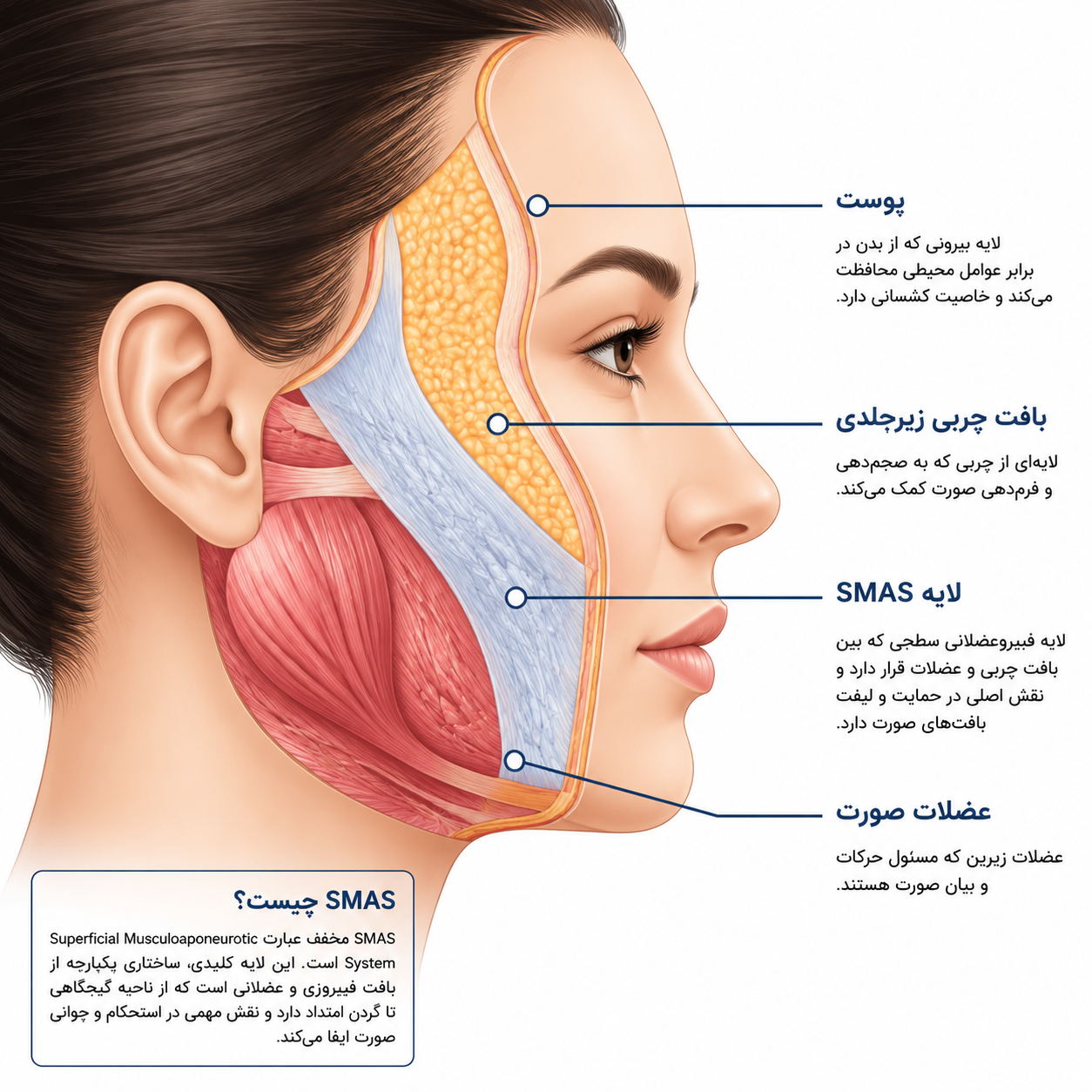
A face lift is a surgical procedure that tightens the deep facial layer — known as the SMAS (Superficial Musculoaponeurotic System) — and underlying tissue to correct sagging caused by aging, significant weight loss, or genetic skin laxity. Over time, alongside the natural decline in collagen and elastin, facial fat shifts position and loses volume, and the underlying muscle layer loosens. The visible result is cheek descent, deeper nasolabial folds, a softer jawline, and sometimes submental fullness under the chin.
The fundamental difference from surface treatments is repositioning the deep SMAS layer, not just tightening skin. That is why results tend to look more natural and last longer than thread lifts or non-surgical devices.
Unlike non-surgical options such as thread lifts, dermal fillers, or skin-tightening devices like Ultherapy and HIFU — which work mainly on the surface and typically last only one to two years — a face lift directly addresses the underlying support structure of the skin. This fundamental difference is what makes face lift results both more durable and more natural: rather than simply pulling skin tighter from the outside, the deep supportive layer is repositioned and re-anchored in a more youthful position.
A face lift is generally used to correct sagging in the mid and lower face — cheeks, jawline, and the area around the mouth. For the upper face (forehead and brows), dedicated procedures such as a forehead lift or brow lift are typically used instead, and can be combined with a face lift when needed.
Tehran is home to a high concentration of experienced facial plastic surgeons, well-equipped surgical facilities, and a substantial volume of clinical experience in facial rejuvenation procedures, making it one of the leading destinations for face lift surgery in Iran and the wider region.
Choosing a face lift in Tehran typically means access to several key advantages: modern equipment and standardized operating rooms that minimize surgical risk; experienced anesthesia teams, which play a critical role in facial procedures requiring precision; and accessible, standardized aftercare facilities for follow-up visits, which matters significantly for a smooth recovery. That said, the city alone doesn't guarantee a good outcome — choosing a surgeon with proven, specific expertise in face lift procedures matters far more than location.
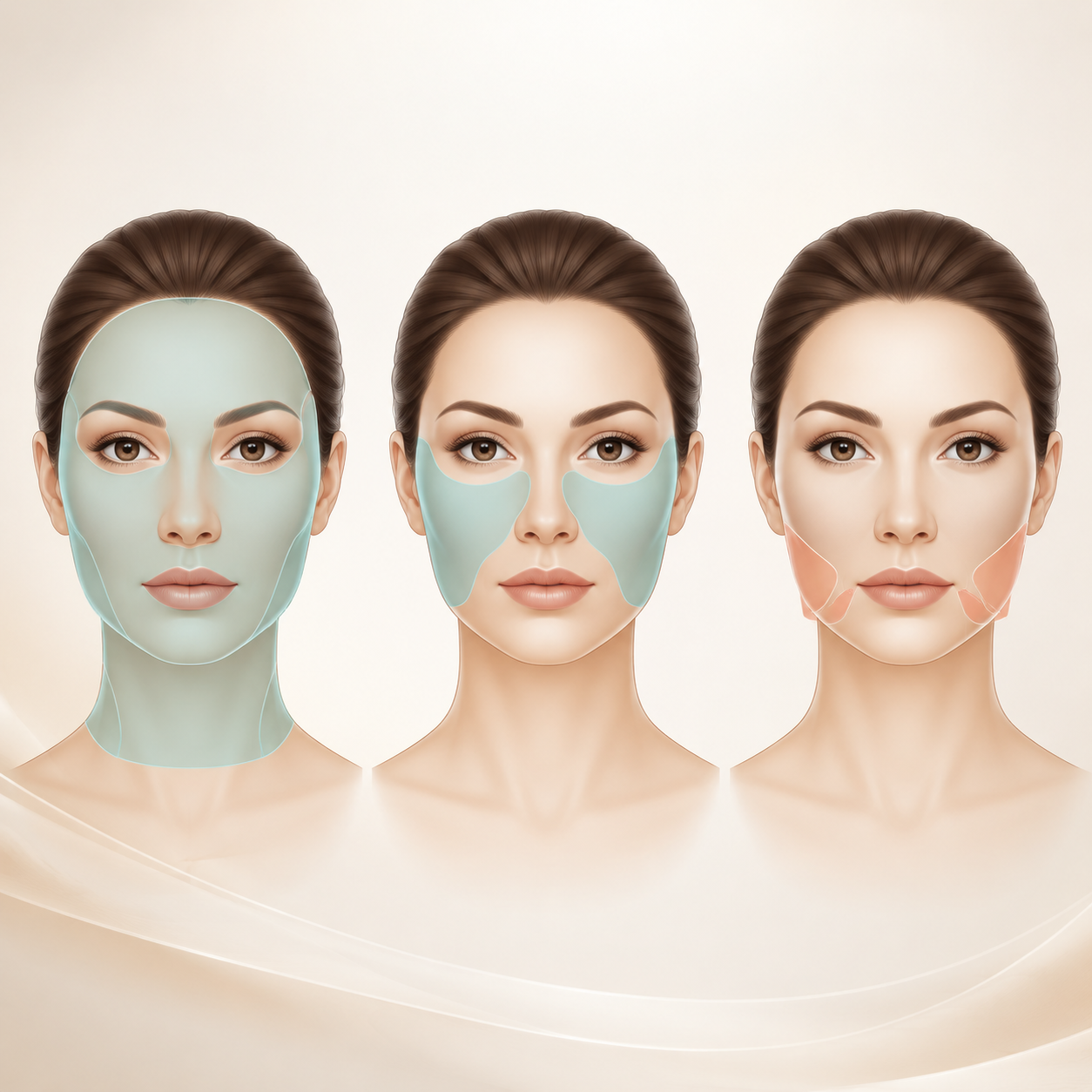
A face lift is not one technique — full, mid-face, and mini lifts differ in scope. Your surgeon chooses based on laxity, age, anatomy, and goals. The comparison table later in this section summarizes the key differences.
The most comprehensive option for advanced cheek, jawline, and neck laxity with SMAS reconstruction; typically the longest-lasting result and a longer recovery than mini or mid-face.
Focuses on the cheeks and under-eye area when jaw/neck laxity is not the main concern. Full detail: mid-face lift guide.
A mid-face lift targets cheeks and under-eye areas; a mini lift suits mild-to-moderate laxity with smaller incisions. For more detail, see mid-face lift and mini vs full face lift.
Smaller-incision option for mild-to-moderate laxity and a shorter recovery; see mini vs full face lift.
| Technique | Suitable sagging | Surgery duration | Recovery | Result longevity | Cost range | Best for |
|---|---|---|---|---|---|---|
| Full face lift | Advanced, widespread cheek, jawline, and neck laxity | 2–4 hours (depending on scope) | Longer than less invasive options; typical return to normal activity 10–14 days | 8–12 years — most comprehensive and durable among techniques | No fixed figure; estimate after exam based on scope and technique | Patients with advanced, widespread sagging in cheeks, jawline, and neck |
| Mid-face lift | Mid-face sagging (cheeks and under-eye) without severe jaw laxity | 2–4 hours (depending on scope) | Shorter than a full face lift; return to normal activity typically about 7–14 days | Narrower treatment scope than a full face lift | Varies by scope and technique; typically less than a comparable full lift | Patients whose primary concern is cheek volume loss, not significant jawline or neck laxity |
| Mini face lift | Mild to moderate laxity | 2–4 hours (usually narrower scope than full lift) | Shorter than a full face lift | Generally less long-lasting than a full face lift | Varies by scope; typically less than a full face lift | Younger patients with limited sagging seeking natural results with less downtime |
Final cost is confirmed only after examination based on scope, technique, and any combined procedures — not as a fixed online tariff.
A quick guide based on sagging pattern — final selection requires an in-person examination:
Mild to moderate sagging
Mini face lift
Smaller incisions and shorter recovery
Sagging mainly in cheeks and mid-face (without severe jaw or neck laxity)
Mid-face lift
Focused on cheeks and under-eye; often less invasive
Advanced, widespread sagging in cheeks, jawline, and neck
Full face lift
Most comprehensive result with full SMAS reconstruction
Often the best result comes from combining a face lift with complementary procedures such as a neck lift, blepharoplasty, or an eyebrow lift. That decision is made in consultation with Dr. Parsa Cheraghipour after an in-person exam.
When neck laxity accompanies facial sagging, a neck lift or simultaneous face and neck lift can rejuvenate the jawline and neck as one unit — confirmed at in-person examination.
Ideal candidates typically present with one or more of the following: visible cheek laxity, jawline sagging, deep nasolabial folds, or volume loss in the facial fat pads. These changes commonly begin in the late thirties or early forties and become more pronounced over time.
Watch Dr. Cheraghipour's short video on best age for a facelift.
Beyond visible signs, good candidates should also be in good general health with no underlying conditions that would increase surgical risk, be non-smokers — or able to stop smoking for several weeks before and after surgery, since smoking significantly impairs wound healing — and hold realistic expectations about the outcome. A face lift doesn't stop the aging process; it turns back the visible clock on the face by several years.
Age alone isn't the deciding factor: some patients in their late thirties are good candidates due to early skin laxity or significant weight loss, while some patients in their sixties still have skin quality that allows for a less extensive procedure. Final candidacy should always be confirmed during an in-person or online consultation with Dr. Parsa Cheraghipour, with a careful review of skin condition, bone structure, and medical history.
A common educational question is how facelift cost is determined — not a single fixed online tariff. See the facelift cost guide for deeper pricing factors. There is no one number for every patient; final cost depends on individual circumstances. Key factors include:
An exact figure without examination is not reliable. For clinic treatment planning and a personalized estimate after evaluation, start on the face lift service page; booking is available from that page or, if needed, via consultation booking.
See our guide on preparing for facelift surgery before your procedure.
Initial consultation and medical history review
Pre-operative testing and assessment of skin and facial structure
Technique selection (full, mid-face, or mini) based on in-person examination
Anesthesia, fine incisions, SMAS repositioning, and suturing
10–14 day recovery period and aftercare guidance
Scheduled post-operative visits as directed by your surgeon
See the clinic treatment pathway (consultation through follow-up) on the face lift service page.
During facelift recovery and recovery timeline, most patients return to normal daily and social activity within 10–14 days, though mild swelling and occasional minor bruising may persist for several weeks, with the final result fully settling over a few months. In the first days after surgery, the face is bandaged, and a temporary drain may be used. Following these guidelines improves the final result and speeds recovery:
Facial dressings, possible temporary drains, rest, and periodic cold compresses for swelling.
Rest and incision care per your surgical team’s instructions.
Swelling and bruising ease; most patients return to daily activity within 10–14 days.
Avoid strenuous exercise and contact activities for at least 4 weeks; follow-up with your surgeon.
Final results take shape gradually; mild residual swelling is normal.
Full refinement of results typically continues over several months.
For clinic-framed recovery expectations, also review the face lift service page.
As with any surgery, patients should understand the risks and complications before deciding. These include temporary bruising and swelling (expected to some degree in all patients), transient numbness in the treated area that typically resolves over weeks to months, possible incision-site infection, bleeding or fluid collection under the skin (hematoma), and in rare cases, temporary or permanent facial nerve injury affecting facial muscle movement.
The likelihood of these complications is significantly reduced at standardized facilities with experienced anesthesia teams. Choosing an experienced surgeon like Dr. Parsa Cheraghipour, with a thorough command of facial nerve and vascular anatomy, and closely following pre- and post-operative instructions, plays a major role in minimizing these risks and achieving a safe, natural-looking result.
Personal risk discussion happens in consultation; begin evaluation via the face lift service page.
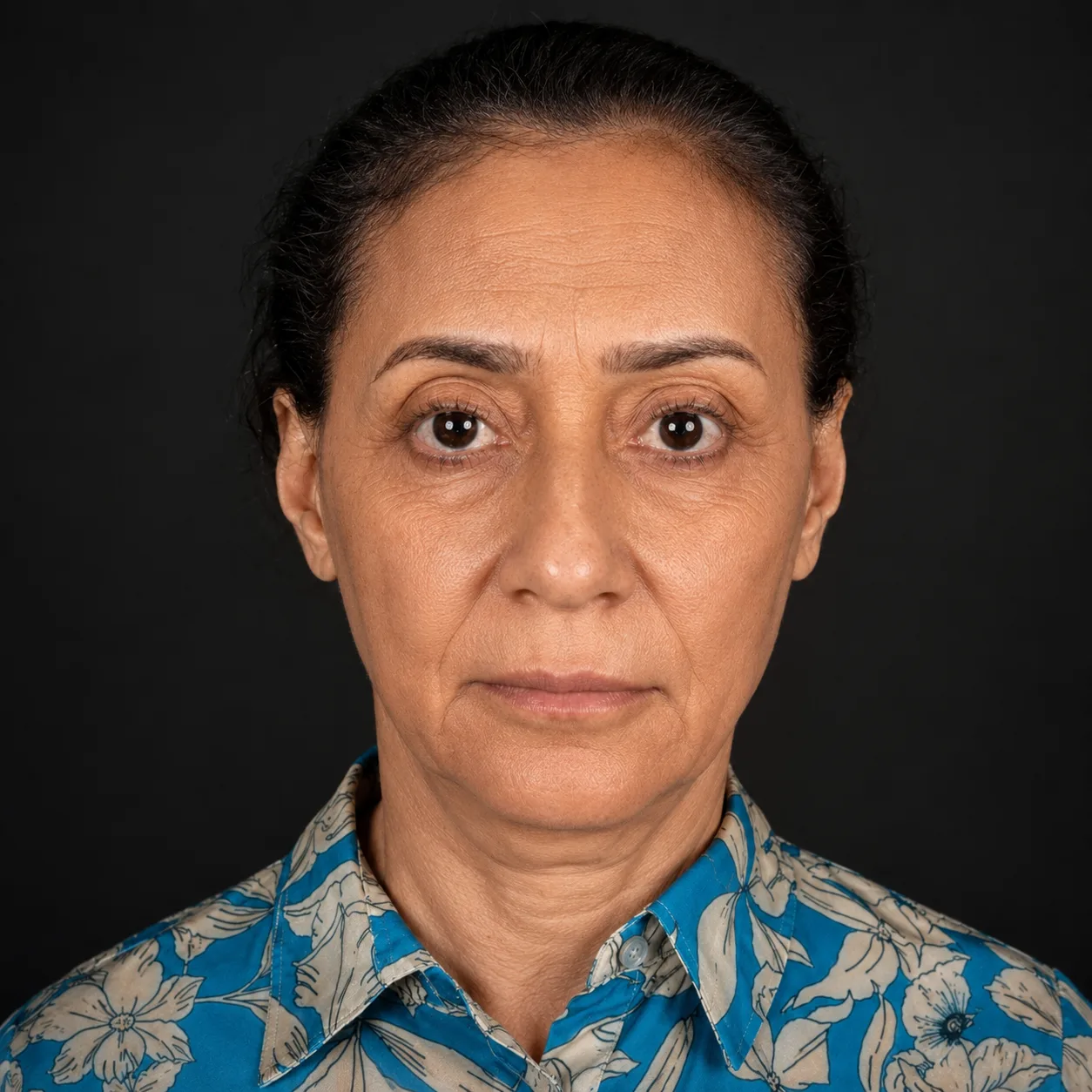
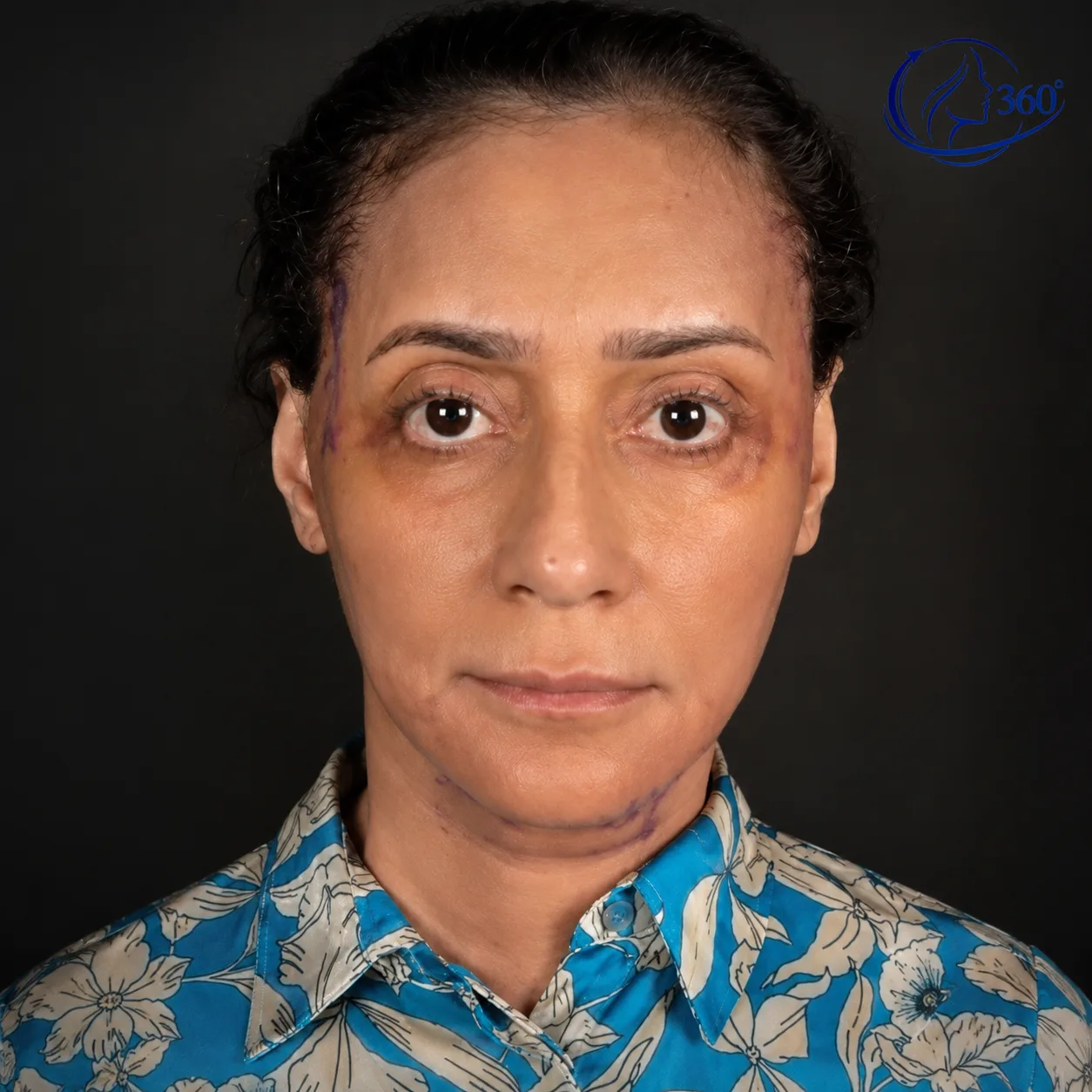
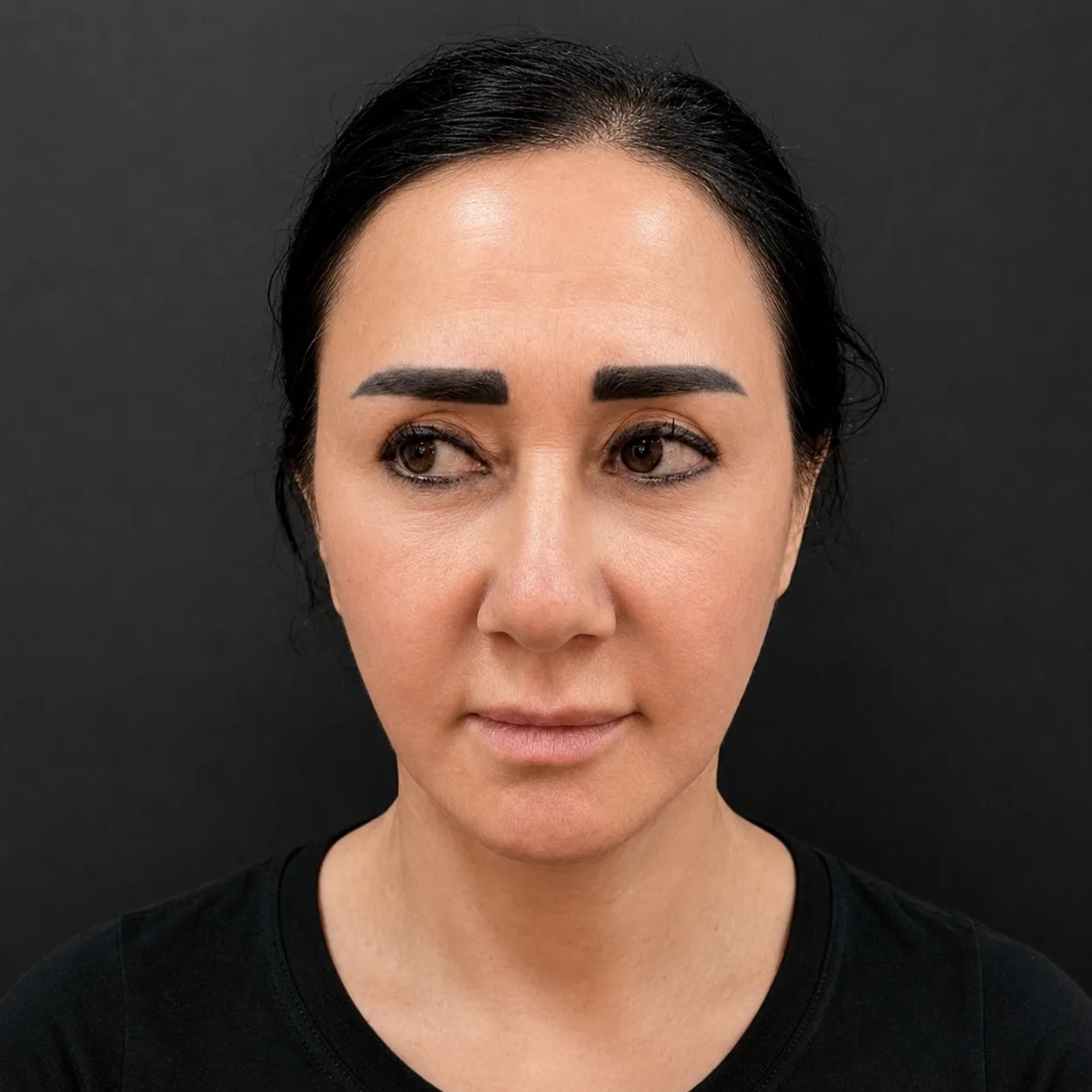
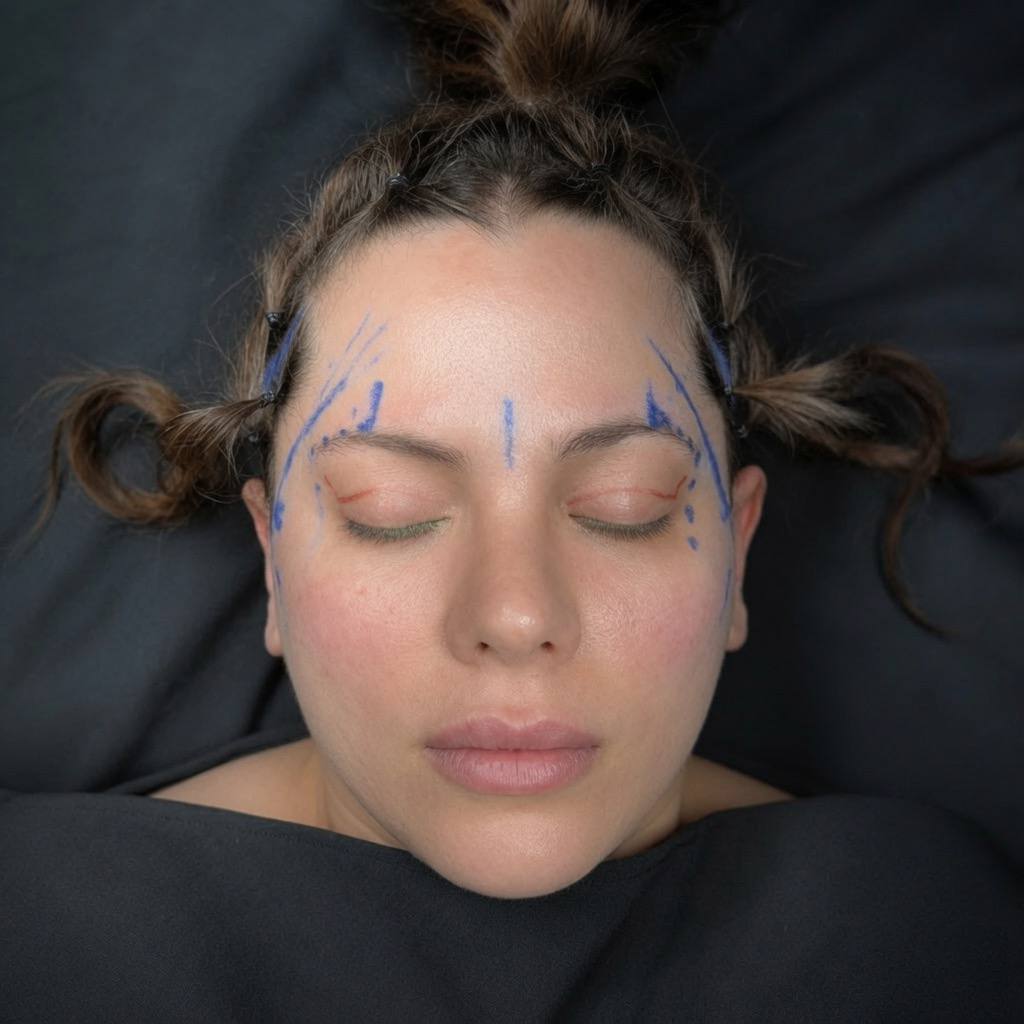
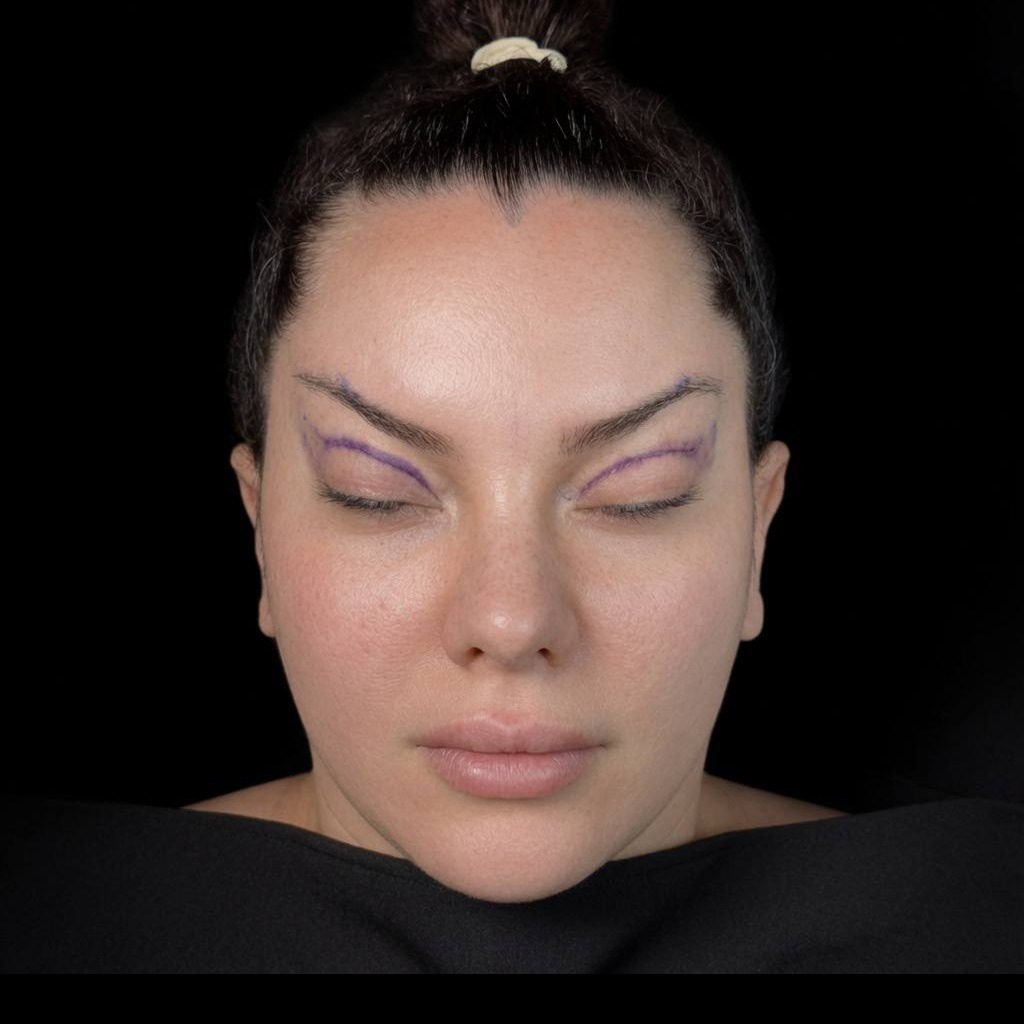
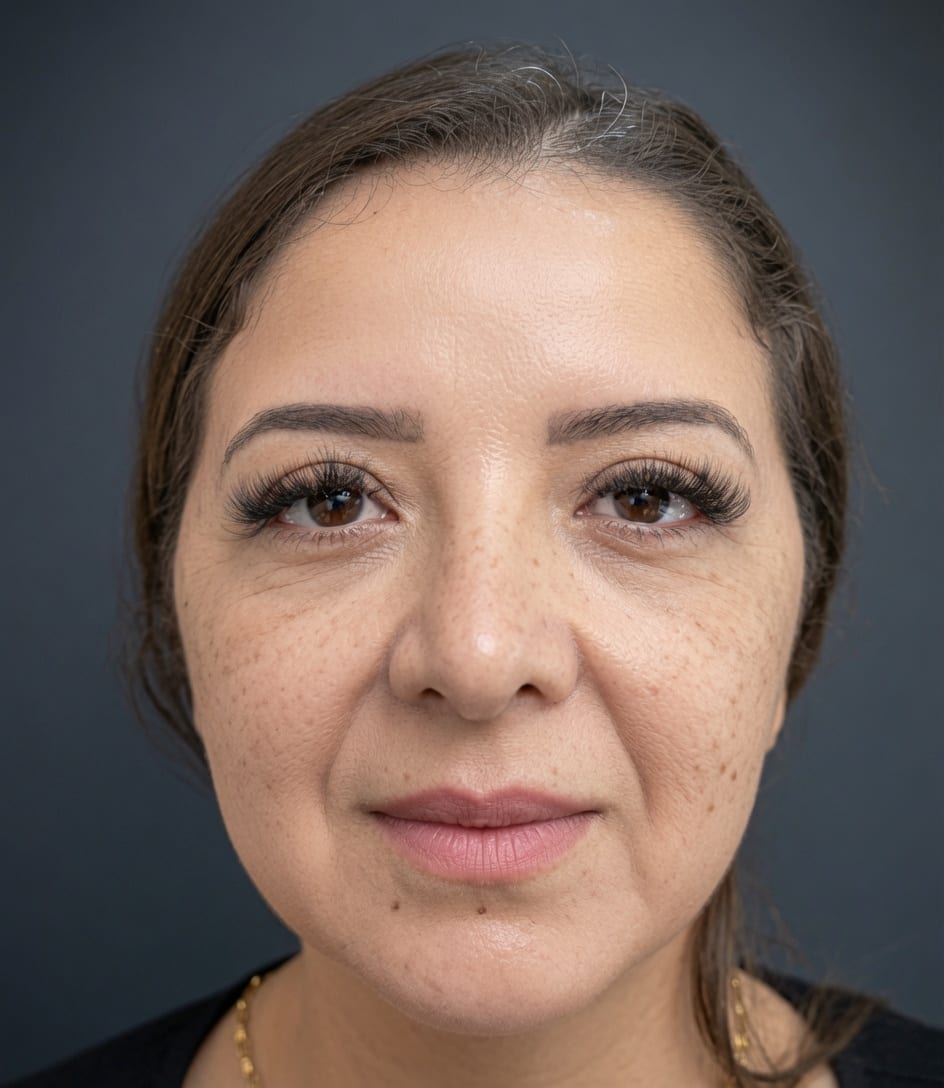
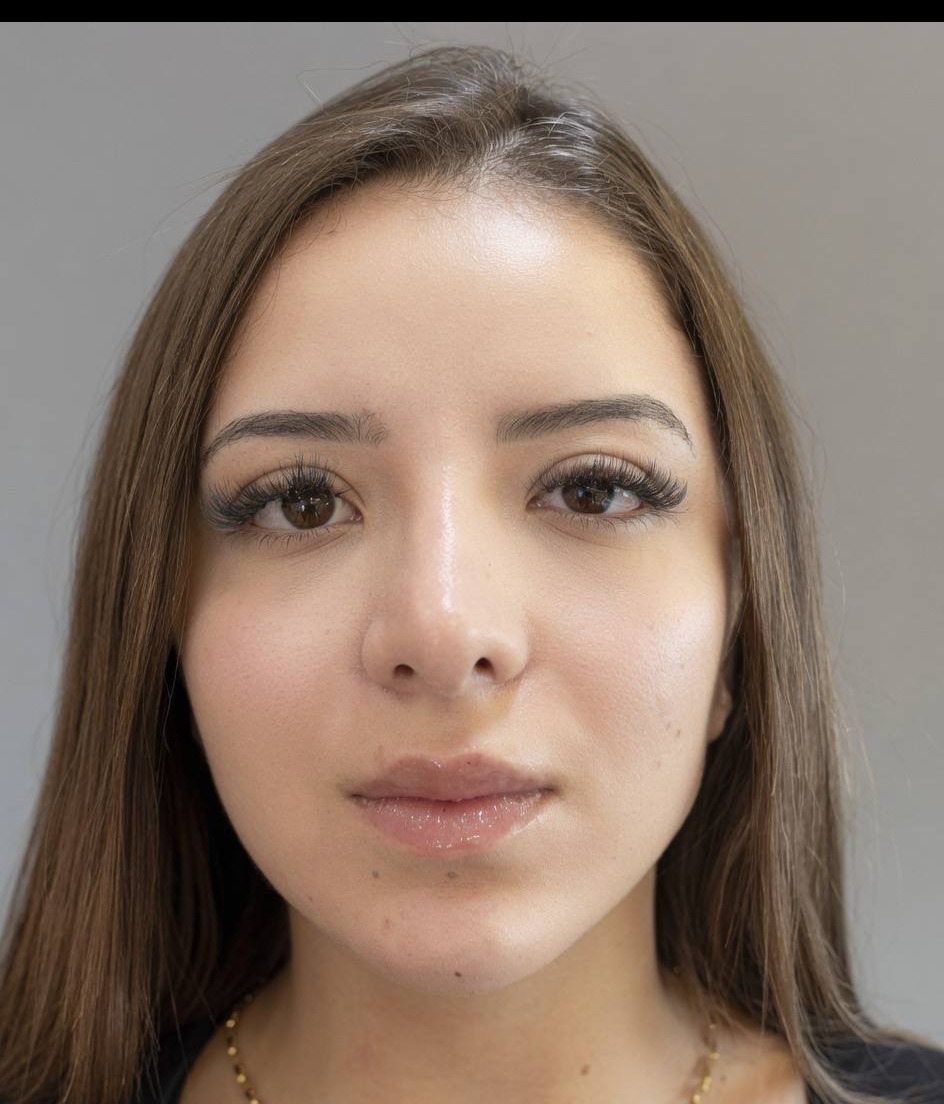
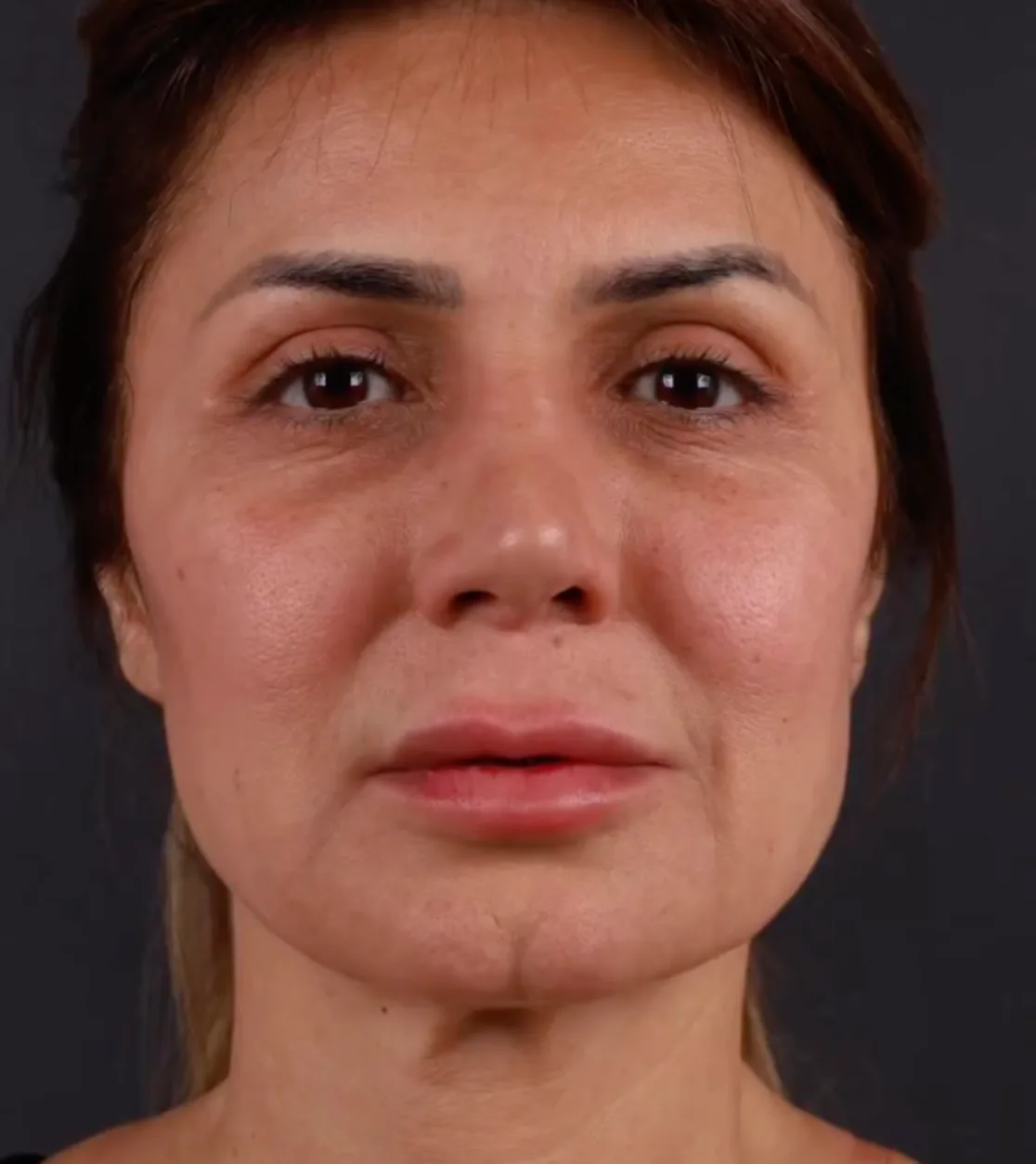
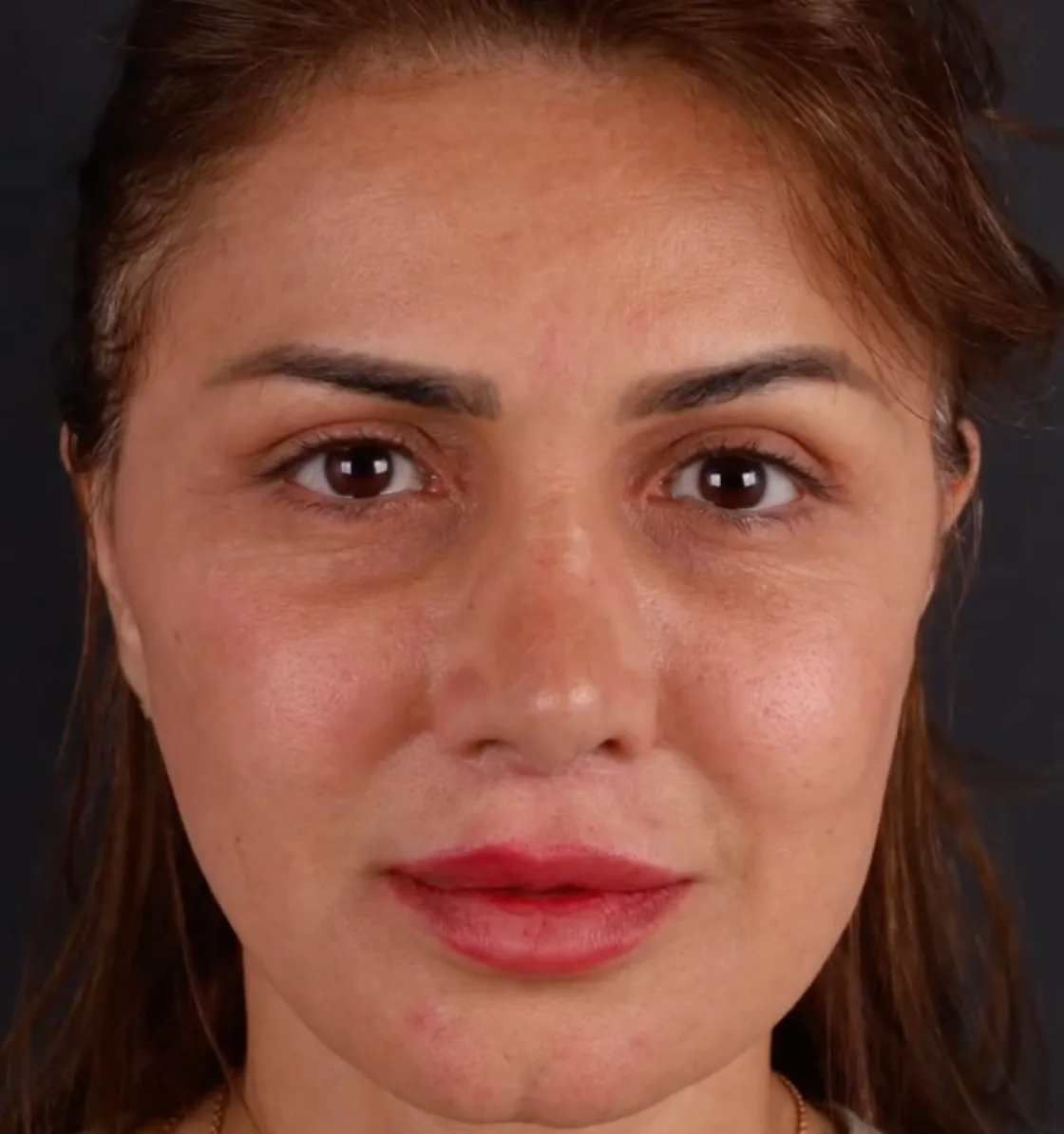
Drag to compare a few real cases from our gallery and see the natural style of results.
Patient 1
Natural, refined transformation
Clinic sample of lower-face and neck rejuvenation. The after photo may show early healing; final results settle over months and vary by person.
Patient 2
Natural, refined transformation
Sample to illustrate jawline–neck contour change — not a promise of identical results. Plans may be neck-alone or combined with face lift.
Patient 3
Gallery sample focused on brow position and the upper third. Outcomes depend on anatomy, skin quality, healing, and possible combination with eyelid/temple work — not a same-look guarantee.
Patient 4
Patient 5
Gallery sample focused on neck laxity and jawline definition. Outcomes depend on anatomy, skin quality, and healing — not a same-look guarantee.
Many patients try non-surgical options — thread lifts, dermal fillers, Botox, or skin-tightening devices like Ultherapy or HIFU — before considering a face lift. These can be useful for mild sagging at younger ages, but results are typically temporary (a few months up to about two years) and insufficient for moderate to advanced sagging.
The key difference is that non-surgical methods mainly affect the skin's surface layer, while a face lift corrects the deep SMAS layer. For patients with noticeable cheek, jawline, or neck laxity, a simultaneous face and neck lift or face lift alone is usually the main approach that delivers a durable, visible result. In some cases, combining a face lift with complementary non-surgical treatments — such as filler to restore lost volume — rounds out the final outcome.
Dr. Parsa Cheraghipour is a facial plastic surgery specialist in Tehran with a particular focus on natural-looking face lift outcomes, prioritizing facial harmony over an overly tightened or artificial appearance.
For guidance on choosing the right surgeon, follow these steps:
1. Verify board certification — Confirm the surgeon holds board certification in plastic surgery or facial cosmetic surgery. 2. Review before/after results — Look at real patient cases to assess the surgeon's style and natural-looking outcomes. 3. Book a consultation — Meet with Dr. Parsa Cheraghipour to evaluate your skin condition and discuss suitable options. 4. Ask about technique and risks — Discuss the proposed technique, recovery timeline, and potential risks. 5. Check facility standards — Confirm the operating facility is properly equipped with a qualified anesthesia team.
This article is based on reputable scientific and medical sources:
Continue on the face lift service page
Ready to book? Book a consultation
Most candidates are between 40 and 65, though the right time depends on skin condition and degree of laxity, not age alone.
A single fixed price without examination is not reliable. Facelift cost depends on procedure scope, technique, anesthesia, and any combined procedures. See the facelift cost guide for pricing factors; a personalized estimate is given after evaluation via the face lift service page.
Typically 8–12 years, though natural aging continues and longevity depends on lifestyle, skincare, and genetics.
The surgery itself is performed under general anesthesia or deep sedation, so no pain is felt during the procedure. Mild swelling, tightness, and tenderness in the first days afterward are normal and are usually well managed with prescribed medication. Discomfort varies with procedure scope and individual tolerance; during your consultation, Dr. Cheraghipour will explain an appropriate pain-management plan for your case.
A thread lift is non-surgical and temporary; a face lift surgically repositions the SMAS layer for longer-lasting, more natural results.
Incisions are placed along the hairline and behind the ear, making them well-concealed or barely noticeable once healed.
A face lift typically takes 2 to 4 hours. The exact duration depends on procedure scope (full, mid-face, or mini lift), any combined surgeries, and individual anatomy, which is confirmed during consultation.
Like any major surgery, a face lift carries risks, but at standardized facilities with experienced teams these risks are manageable. Temporary bruising and swelling are normal; choosing a qualified surgeon and following pre- and post-op instructions significantly improves safety.
A full face lift addresses advanced, widespread sagging, while a mini face lift suits mild-to-moderate laxity with smaller incisions and shorter recovery. A mini lift has a narrower treatment scope and typically shorter-lasting results than a full lift.
Most patients can return to light office work within 10 to 14 days. Strenuous physical work usually requires 3 to 4 weeks or more; exact timing depends on job type and procedure scope and is confirmed at follow-up visits.
Initial improvement is usually visible after 2 to 3 weeks once major swelling and bruising subside. The final, natural-looking result typically settles over 3 to 6 months as tissues gradually adapt.
A face lift is usually considered elective cosmetic surgery and is not covered by standard health insurance. Rare medical exceptions may apply; check with your insurer and medical team for your specific case.
Yes, a face lift is often combined with a brow or forehead lift for a more harmonious result. The final decision is made after examining your facial aging pattern during consultation with Dr. Cheraghipour.
A deep-plane lift releases and repositions the SMAS at a deeper level, often yielding a more natural, durable result than classic techniques that focus more on skin tightening. The right approach depends on each patient’s anatomy and goals.
A face lift does not stop aging, but results typically last for years. Some patients may later consider complementary treatments or a limited revision; a full repeat procedure is not expected for everyone.
Air travel is usually permitted only after surgeon approval, typically several weeks post-surgery. Cabin pressure and travel-related factors can increase swelling; confirm timing at your follow-up visit.
The initial consultation at Facelift360 is free and can be scheduled via the face lift service page, booking, or by calling the clinic. There is no pressure to decide on surgery the same day.
A face lift reverses signs of aging but does not stop natural aging. Results typically last 8–12 years; mild laxity may return later, and revision surgery or complementary treatments may be considered in some cases.
Yes — a face lift is often combined with a neck lift or complementary procedures such as blepharoplasty for a more harmonious result. The final plan is decided after examining each patient’s face and neck at consultation.
Patients with poorly controlled chronic disease, active smoking without a cessation plan, unrealistic expectations, some active skin conditions, or significant weight imbalance may need more preparation or careful evaluation. These are not automatic exclusions — decisions are made after medical review.
During recovery, strenuous activity and exercise are usually avoided for at least three weeks. A gradual return to lighter exercise follows surgeon approval at follow-up visits; exact timing depends on procedure scope and individual healing.
[TODO: confirm makeup timeline] Makeup is typically resumed lightly after dressings are removed and initial incision healing, with surgeon approval at follow-up. Avoid applying products on open incision sites until cleared.
A mid-face lift targets cheek and under-eye sagging; a mini lift addresses mild-to-moderate laxity with smaller incisions around the ear. Mid-face work focuses on the central face; a mini lift is usually narrower with shorter recovery but less longevity than a full lift.