Before surgery
Before surgery, preparation instructions — including medication guidance and points for the days leading up to surgery — are shared clearly, with enough time to ask questions before a final decision.

This page is for treatment decisions and the clinic path — not a full educational guide. A temple lift (Temple Lift / Temporal Lift) targets temple soft tissue and the outer third of the brow for a more open look without a pulled appearance. At Facelift 360, after examination with Dr. Parsa Charaghipour, candidacy, alone vs combination, technique choice, and a case estimate are clarified. Deeper education: temple lift guide. Decision and booking: anatomy · alternatives · book consultation.
A temple lift (Temple Lift / Temporal Lift / temporal brow lift / outer brow lift) is targeted surgery of the temporal region: it elevates temple soft tissue and brings the outer third of the brow toward a more natural position for a more open, refreshed look — not a “pulled” appearance or a change in facial identity.
Common indications: dominant outer-brow droop (lateral brow ptosis), lateral upper-lid heaviness when the temple contribution is clear on exam, and a tired or shadowed look beside the eye when the central brow and forehead are relatively preserved. Critical exam distinction: true soft-tissue descent versus pure volume hollowness (temporal hollowness).
Role of this page: clinic treatment decisions (candidacy, alone vs combination, technique choice, consent risk, cost factors, consultation and booking). Role of the temple lift educational guide: deeper definition, method tables, day-by-day recovery, and educational price ranges — not your case’s final fee.
For key terms see anatomy; for path selection see alternatives and techniques.
At consultation, the temple is viewed as a skin–fascia–fat unit linked to the outer brow third, lateral canthus, and upper eyelid. Naming these entities clarifies how a temple path differs from eyebrow lift, blepharoplasty, or filler/Botox alone.

Final decisions are made only after examination. If you see outer-brow droop, lateral lid heaviness, temple hollowness with tissue descent, or an “always tired” look in photos, you may be a candidate — when the main problem is tissue descent, not volume loss alone. Related framing: am I a good candidate for facial surgery? · FAQ.
Incision details, lift amount, and fixation type differ per patient. The general decision path at Facelift 360:
Assess temple, outer brow, lid relationship, and symmetry; decide alone vs combination.
Upward-and-back path for temporal tissue matched to hairline and a natural look goal.
Local with sedation or general anesthesia — depending on alone vs combination and medical status.
Temporal access; elevating fascia/soft tissue of the temple and outer brow.
Holding position until healing; fixation type is chosen in consultation.
Care instructions and follow-up visits; warning signs in risks.
This table is for treatment decisions (which path is more logical for your pattern). Operative education and more detail: techniques in the temple lift guide.
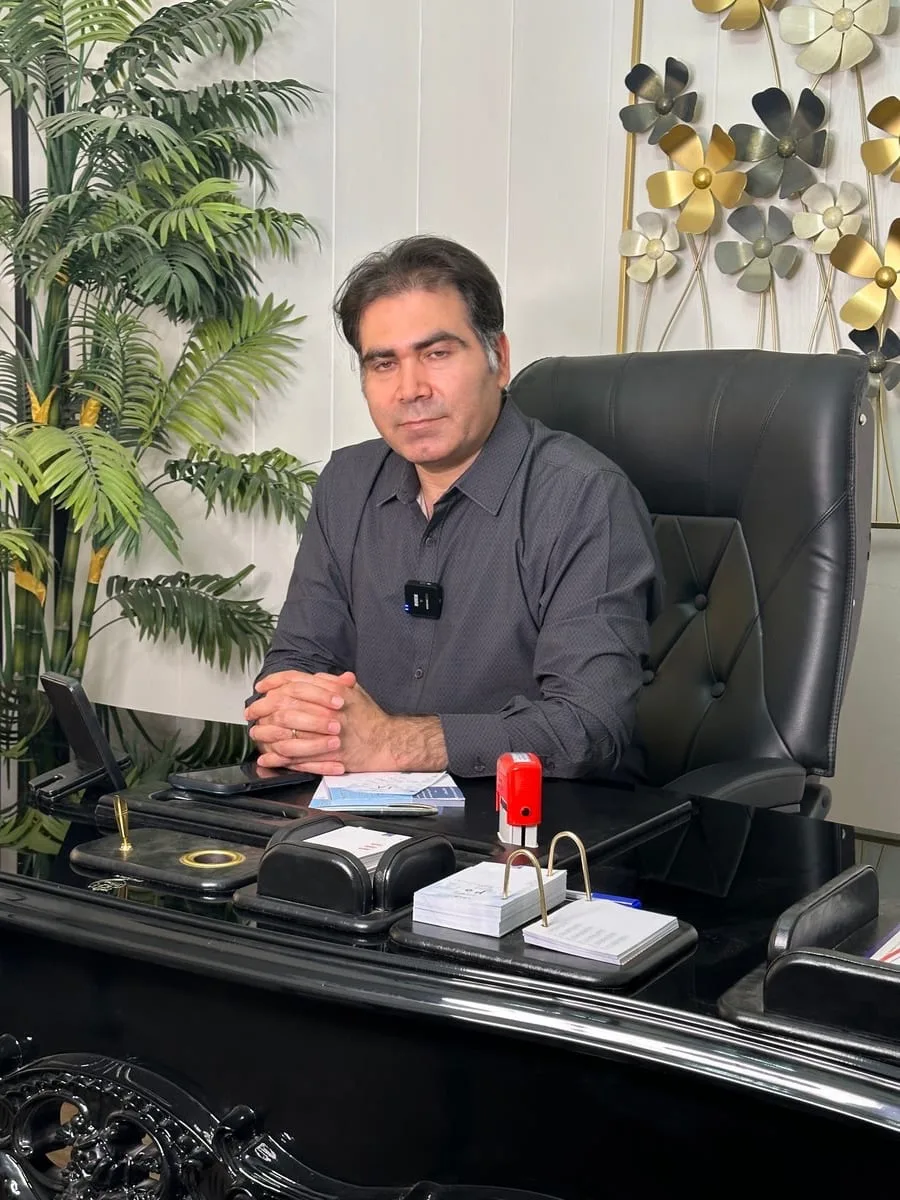
The first visit with Dr. Charaghipour starts with a whole upper-face view, not the temple alone. Outer-brow position, remaining temple volume, its relationship to the upper lid and lateral canthus, and side-to-side symmetry are assessed. Another key part is hearing your real goal: relieve an “always tired” look, refine the brow corner, or both? That difference shapes treatment design directly.
No two temples are planned the same way. True droop, hollowness, outer-brow position, overall facial balance, skin quality, hairline (especially in men), and your goals all matter. For some, temple correction alone is enough; for others, combining with eyebrow lift, blepharoplasty, or forehead lift is more harmonious. Method criteria in the techniques table; deeper education: temple lift guide.
The goal is a more open, refreshed look — not an overcorrected, high outer brow (overcorrection / surprised look). Undercorrection can occur too; side balance and harmony with the rest of the face come first. Longevity is usually multi-year and individual; aging continues. Judge the final result in the months after surgery — not week-one photos. General longevity education: how long do facelift results last.
This section summarizes early-day expectations and social return for treatment decisions. Week-by-week tables and the first-seven-days educational checklist live only in the temple lift guide — recovery. Pre-op preparation: surgery preparation checklist.
Temple swelling and bruising — sometimes to the outer eye — are common. Sleep on your back with the head elevated; avoid deep bending and heavy activity. Hair/incision washing only as discharge instructs.
Noticeable swelling reduction; many return to light social activity. High-intensity exercise waits for surgeon clearance (often about 3–4 weeks).
Tightness and scalp numbness near the incision usually settle; temporary hair thinning around the incision line is often transient.
Judging the final result is more reasonable. Follow-up visits continue per the clinic plan.
Your case discharge instructions take priority. Day-by-day detail in the guide recovery table.
Temple lift is elective surgery. The list below supports general informed consent — personal risk is finalized only in consultation and before signing consent. Deeper education:
| Issue | Relative frequency | Usual action |
|---|---|---|
| Swelling, bruising, tightness, or temporary numbness (paresthesia) | Common and usually transient | Supportive care and follow-up |
| Temporary hair thinning / local alopecia near incision | Sometimes | Usually temporary; follow-up |
| Hematoma / bleeding or infection | Less common | Urgent assessment; sometimes drainage/antibiotics |
| Mild asymmetry or undercorrection | Sometimes | Wait for settling; sometimes limited revision |
| Overly elevated look (overcorrection) | Rarer with conservative design | Prevention with realistic design |
| Temporary brow-movement weakness (frontal branch) | Rare | Follow-up; permanent cases much rarer |
| Scar more visible than expected | Less common if within hairline | Scar care; sometimes revision |
Sudden severe pain, severe one-sided swelling (suspected hematoma), active bleeding, high fever, or clear brow-movement weakness — call 021-26421734 or the discharge contact path immediately.
Quitting smoking and following post-op care reduce some preventable complications. This list does not replace personal consent.
Cost estimate
Provided after consultation
A fixed number without examination is not valid. This page summarizes case cost factors; educational ranges and factor detail are in the temple lift guide and the broader frame in facial cosmetic surgery cost. A case-specific estimate is given after examination via book consultation.
| Technique: endoscopic / open / absorbable fixation / need for temporal fat grafting |
| Type of local anesthesia or general anesthesia and OR time |
| Alone vs combination with blepharoplasty, eyebrow lift, or forehead lift |
| Complexity of droop, symmetry, and need for finer fixation |
| Surgeon experience and facility / follow-up ancillary costs |
Temple lift is usually elective cosmetic surgery and not covered by basic insurance except rare functional cases with medical documentation.
The goal is not to attack alternatives; it is matching method to problem. Educational comparison depth: temple lift guide · clinic non-surgical: non-surgical rejuvenation.
Dr. Charaghipour’s approach is natural rejuvenation, not changing the upper-face appearance. The goal is balanced proportion among temple, brow, and the rest of the face — a noticeable result without a “done” or pulled look. That philosophy guides the amount of correction (avoiding overcorrection) and every treatment-design decision.
Surgery is performed in an equipped operating room with a specialist anesthesia team present. Before surgery, general health and readiness for local anesthesia or general anesthesia are fully assessed. Safety protocols from admission through discharge are an integral part of care at this clinic.
Reviewing real cases gives a more honest view of style and result quality and helps form realistic expectations — something no written explanation fully replaces. The before & after gallery is a natural part of many patients’ decision process.
Real clinical case
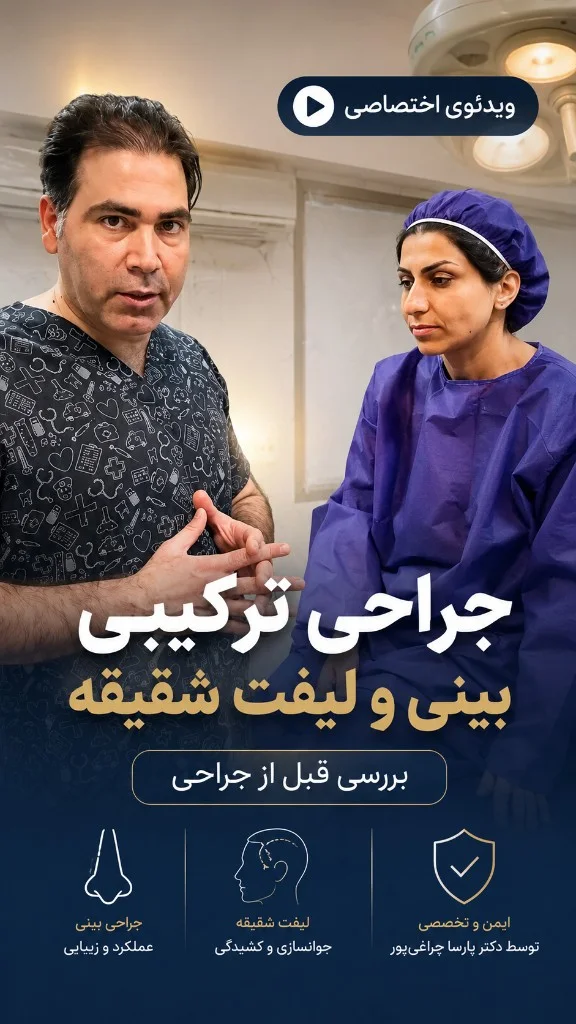
This file is combined facial planning: temple lift at this clinic, with rhinoplasty as facial-harmony context — not as a standalone rhinoplasty service on Facelift360.


Two views of the healed result, published with patient consent. Outcomes vary by person.
The video shows clinical examination and explanation of temple lift within a combined procedure. Age, recovery time, exact technique, and aesthetic outcome are not claimed here; treatment decisions follow in-person examination. Dedicated rhinoplasty detail is on the Jarah Bini 360 website.


These photographs are intra-operative or immediate on-table views — not the healed final result.
Specialist face and upper-third rejuvenation clinic in Tehran
Transparency in consultation and the proposed plan, fully personalized planning based on each face’s proportions, direct surgeon involvement from the first visit through follow-up, and a commitment to long-term result follow-up — not just surgery day — are reasons we hear repeatedly from patients.
Targeted surgery of the temple and outer brow third (Temple / Temporal Lift) to open the look when lateral droop dominates. Full definition: definition · deeper education: temple lift guide.
Temple lift focuses on the outer brow third and temporal region; eyebrow lift covers a wider brow arch and often the forehead relationship. See: alternatives table · eyebrow lift service.
It depends on droop amount, skin, hairline, and combination plan — not on a popular name. Criteria: techniques table. Technique education: guide.
During surgery you do not feel pain under anesthesia/sedation. Early days may bring tightness, mild pressure, or scalp numbness. Related: is facial surgery painful? · recovery.
The incision is usually within the temple hairline and fades over time. Zero-scar is not absolute. See: facial surgery scars.
Usually multi-year and individual; aging continues. Frame: expectations · result longevity.
Yes — when temple droop and an eyelid problem coexist, they are often reviewed in one plan. Decision after exam: blepharoplasty · combining procedures.
For volume hollowness or very mild droop, non-surgical/injectable care may suffice; for true tissue descent, surgery is the more standard path. Path: alternatives · non-surgical.
With suitable anatomic indication — for men, hairline and vector design differ. Calendar age alone is not the criterion; true droop and general health decide. See: candidacy.
After examination, based on technique, alone vs combined, and case complexity. Factors: cost section; educational range in the guide. Estimate: book consultation.
Usually twenty-five to forty minutes, depending on how many questions you have.
Yes. Evaluation and treatment planning are done by the surgeon. Doctor page.
To make the consultation as useful as possible, we suggest preparing the following before you arrive:
The decision for temple surgery should be made calmly. After consultation there is no pressure for an immediate decision; if you need more time or a second visit to clear doubts, that option remains available.
A conversation before a decision
Discuss your concerns and goals for temple lift in a consultation. Explore the options, their limitations and your individual circumstances before deciding.
Discuss your goals, the limitations and the risks of each option at your consultation.