

How Long Is Facelift Recovery?
Introduction
Recovery timelines vary, but a typical course includes immediate postoperative swelling/bruising, early functional recovery in 1–2 weeks, return to strenuous activity in 4–6 weeks, and maturation of results over 6–12 months.
Typical milestones
- First week: significant swelling and bruising improve.
- 2–4 weeks: many patients resume light daily activities and appear presentable.
- 4–6 weeks: most exercise can resume with approval.
- 6–12 months: final tissue remodeling and scar maturation.
Frequently Asked Questions
How long is facelift recovery?
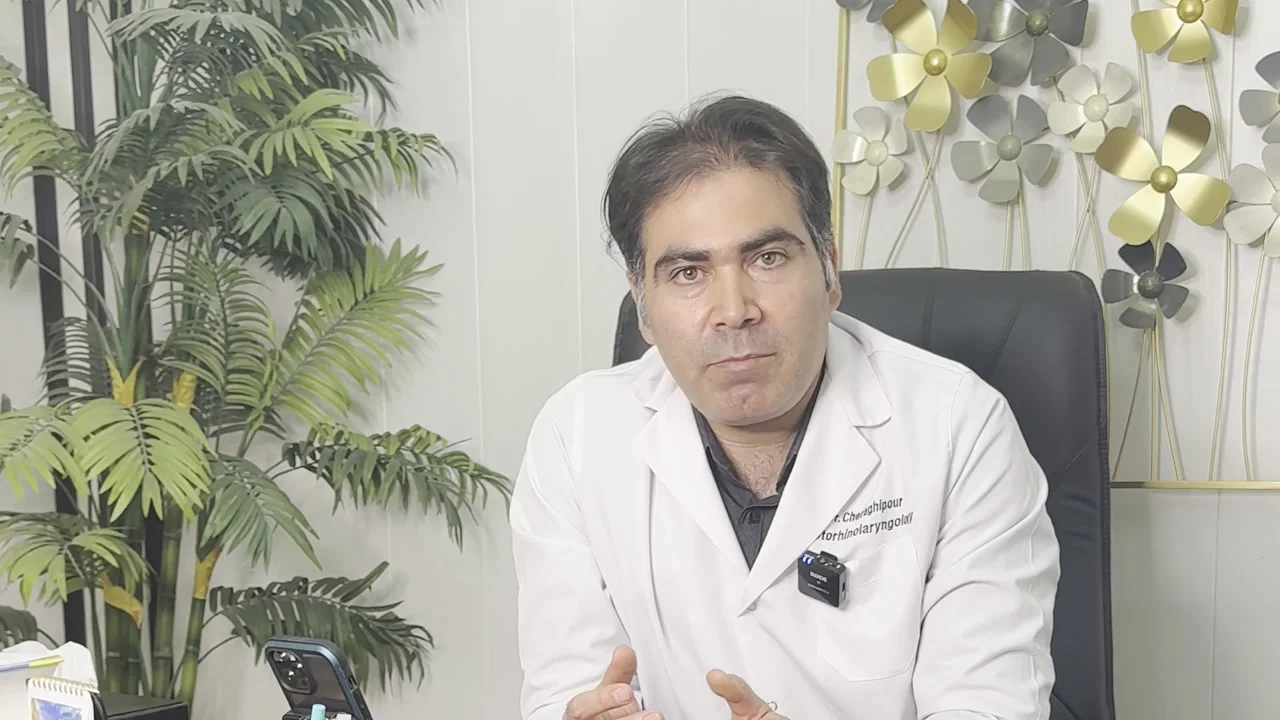
Generally about 2 weeks to look socially presentable and 6 to 12 months for full tissue healing and final results. At Facelift 360, Dr. Parsa Cheraghipour designs a personalized recovery plan based on age, skin type, and procedure type so you know what to expect at each stage.
What happens in the first week after facelift?
Days 1 to 3 are hardest; swelling and bruising peak. Sleep with two pillows so your head stays above your heart. By week's end the doctor checks wounds and usually removes sutures on days 5 to 7. Skin tightness eases and you can be more active at home.
When can I return to work after facelift?
Light desk work is usually possible from week two; remaining bruising can be covered with light makeup. Physical jobs typically require longer wait. Your surgeon sets exact timing based on job type and procedure. Most patients say by week two they finally feel like themselves again.
When can I exercise after facelift?
Light walking is usually allowed a few days post-op with approval. Light cardio after 3 to 4 weeks and strength training or contact sports after 6 to 8 weeks with surgeon clearance. Always coordinate new activities with your medical team to avoid worsening swelling or bleeding.
What post-facelift symptoms are dangerous?
Sudden severe one-sided pain (possible hematoma), fever above 38.5°C, increasing redness and swelling around sutures (possible infection), foul or purulent discharge, shortness of breath or chest pain are warning signs. Contact your medical team immediately. Serious complications are rare but vigilance is essential.
