
Neck Lift in Tehran: Complete Guide to Procedure, Results & Cost
What Exactly Is a Neck Lift?
If you've caught yourself looking in the mirror, unable to find the jawline you used to have, or noticed your neck doesn't quite match the rest of your face anymore, even with a scarf or necklace covering it, you've probably already started thinking about a neck lift. A neck lift is a targeted cosmetic procedure designed to address sagging skin, reduce excess fat under the chin, and tighten the platysma, the band-like muscle that sits just under the skin of the neck. The result is a clearer jawline and a neck that looks like it actually belongs to the rest of your face, not one that seems to be aging on its own timeline.
Contrary to popular belief, a neck lift doesn't always mean an extensive, lengthy operation. Depending on how much the skin has sagged and the condition of the underlying muscle, a surgeon can choose anything from more limited techniques to comprehensive ones. That range is exactly what makes the neck lift one of the most customizable procedures in facial and neck rejuvenation.
Why Does Neck Skin Sag in the First Place?
The neck is one of the first areas of the body to show visible signs of aging, often before the face does. The reason is simple: neck skin is thinner than facial skin and contains less collagen, while being exposed daily to movement, gravity, and sun.
The main contributors to neck skin laxity include:
- Natural decline in collagen and elastin with age
- Weakening or separation of the platysma muscle, which causes the vertical bands often seen in the neck
- Fat accumulation under the chin, even in people at a healthy weight
- Significant weight fluctuations that stretch the skin and then leave it loose
- Genetics; some people are simply predisposed to neck laxity earlier in life
- Cumulative sun damage from years of unprotected UV exposure
Together, these factors create what's commonly called a "turkey neck": loose skin that moves with the head and blurs the definition of the jawline.
Who Is a Good Candidate for a Neck Lift?
The ideal neck lift candidate is someone unhappy with skin laxity, visible muscle banding, or fat accumulation under the chin, but that's not the only consideration. During an initial consultation, a surgeon typically evaluates:
- The quality and elasticity of the neck skin
- The amount and distribution of submental (under-chin) fat
- The condition of the platysma muscle and whether vertical banding is present
- Jaw and chin bone structure, which can influence technique selection
- Overall health and medical history, particularly regarding fitness for anesthesia
There's no fixed age for a neck lift. Some people consider it in their late 20s or early 30s due to genetics or significant weight loss, while for many others the decision comes in their 40s, 50s, or 60s. What matters is the actual condition of your skin and muscle, not a number on a calendar.
How Is Neck Lift Surgery Performed?
The exact steps vary by technique, but the procedure generally follows this sequence:
1. Consultation and assessment; the surgeon evaluates skin, fat, and muscle condition and recommends a suitable approach. 2. Anesthesia; depending on the extent of surgery, this can be local anesthesia with sedation or general anesthesia. 3. Incisions; typically placed behind the ears and sometimes under the chin to keep scarring as concealed as possible. 4. Platysma muscle correction; the muscle bands are brought together and sutured to tighten the underlying neck structure. 5. Fat removal; performed when needed, through targeted liposuction or direct excision. 6. Skin repositioning; excess skin is removed and the remaining skin is redraped naturally over the newly tightened structure. 7. Closure and dressing; usually with fine sutures that leave minimal visible marks.
The surgery itself typically takes between one and three hours, depending on complexity.
Types of Neck Lift Techniques
A neck lift isn't a single procedure; depending on the severity of sagging, a surgeon may use one of the following techniques or a combination:
Formal Neck Lift:
Suited for moderate to severe sagging. Involves an incision behind the ear, platysma muscle correction, and removal of excess skin. Offers the most durable results.
Neck Liposuction:
Best for people with submental fat whose skin still has good elasticity. Less invasive, with a faster recovery.
Platysmaplasty:
Focuses primarily on correcting the muscle, especially for vertical neck banding, with or without extensive skin removal.
Thread Neck Lift:
A non-surgical or minimally invasive option for mild sagging; results are shorter-lived but recovery time is much quicker.
The right choice should always be based on an in-person exam of your actual neck tissue, not on advertising or someone else's results.
Neck Lift or Facelift: Which One Do You Need?
 0:41
0:41Combining Facelift with Other Procedures
How combining facelift with neck lift or blepharoplasty can improve total facial harmony.
This is one of the most common questions we hear in consultations. The short answer: it depends on where your sagging is concentrated.
If laxity is mostly localized to the neck and under the chin, while the cheeks and upper jawline are still relatively firm, a neck lift alone can deliver a dramatic improvement. But if sagging is visible across the midface, cheeks, and neck together, combining a facelift and neck lift usually produces a more harmonious, natural-looking result, since these two areas are anatomically connected and treating them separately can sometimes create asymmetry.
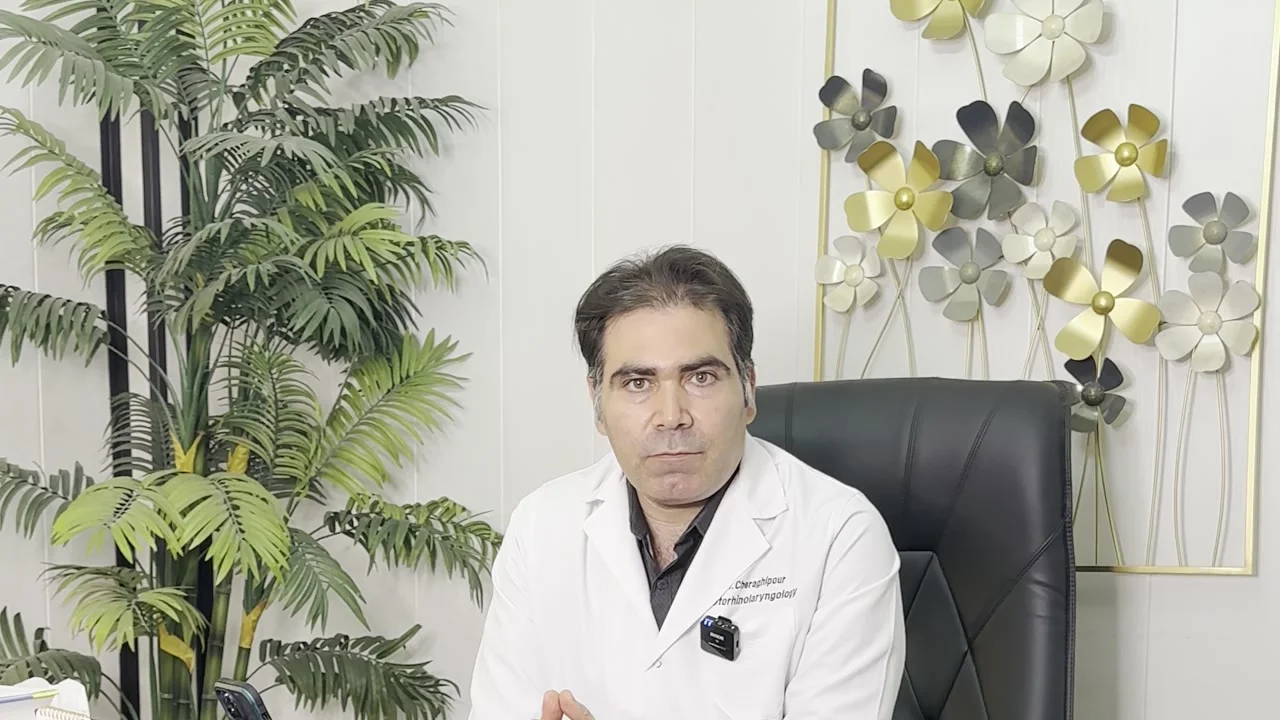
During a consultation, Dr. Parsa Cheraghipour examines your jawline, cheeks, and neck closely to determine which approach will give you the most natural outcome.
Recovery Timeline and Returning to Daily Life
The first question most patients ask is some version of: "How long until I look normal again?"
In general, recovery follows this pattern:
- Week 1: Swelling and bruising are at their peak. A compression garment or bandage around the neck is common. Most patients rest at home during this period.
- Weeks 2-3: Swelling decreases noticeably, and many people can return to light social activities, often with light makeup or a scarf.
- Month 1-3: Residual firmness and any lingering swelling gradually resolve, and the neck contour starts looking more natural.
- After month 3: The final result is fully visible and the neck tissue has completely settled.
Strenuous physical activity is usually restricted for four to six weeks, though this window varies based on the surgical technique used and each patient's individual healing pace, and should be determined by your surgeon based on your specific case.
Neck Lift Cost in Tehran: What Actually Determines the Price?
Let's be honest: any website that posts a single fixed number for neck lift cost is either being unrealistic or simply out of date. Neck lift cost in Tehran depends on a combination of factors, not a one-size-fits-all rate:
- Technique chosen: Simple neck liposuction is generally less expensive than a full neck lift combined with platysmaplasty.
- Type of anesthesia: General anesthesia with an anesthesiologist present costs more than local anesthesia with sedation.
- Surgery duration and complexity: More extensive sagging that requires precise muscle correction increases both operating time and cost.
- Surgeon's experience and specialization: Surgeons with facial plastic surgery expertise and a documented track record in this specific procedure often price differently than general clinics.
- Associated costs: Operating room fees, possible overnight stay, and post-operative follow-up visits.
- Combination with other procedures: If a neck lift is performed alongside a facelift or blepharoplasty, the overall cost package will differ.
For this reason, the most accurate and fair way to learn your actual neck lift price is an in-person consultation, where the surgeon examines your neck directly and provides a transparent, individualized estimate. This approach prevents decisions based on inaccurate information and ensures the price you're quoted actually reflects your specific needs.
Possible Risks and Safety Considerations
Like any surgical procedure, a neck lift isn't without risk, though choosing an experienced surgeon significantly minimizes it. Possible complications include normal swelling and bruising during recovery, the possibility of bleeding or infection, temporary numbness of the skin, and in rare cases, mild asymmetry or the need for a touch-up procedure.
To reduce these risks, a few things matter:
- Carefully following your surgeon's pre- and post-operative instructions
- Fully disclosing medications, medical history, and allergies during the initial consultation
- Avoiding smoking for at least several weeks before and after surgery
- Attending all scheduled follow-up visits to confirm healing is on track
None of this should be a reason to feel hesitant about the procedure; it's simply a reminder that a neck lift is a medical decision, not a casual purchase, and deserves to be treated with the same seriousness.
Why Choosing the Right Surgeon Matters for a Tehran Neck Lift
The neck is one of the more delicate areas for cosmetic surgery; it sits close to nerves, blood vessels, and muscles that, if corrected imprecisely, can lead to asymmetric or unnatural results. That's why a surgeon's experience with this specific procedure, their precise understanding of neck anatomy, and a real track record of prior cases matter even more than the technique itself.
During a consultation, asking the following questions can help you make a better decision: How much experience does the surgeon have specifically with neck procedures? Which technique is recommended for my particular case, and why? What does a realistic outcome look like for my neck? What complications are possible, and what's the plan for managing them?
Ready to Start Your Neck Rejuvenation Journey?
The best way to find out which technique and price point fit your specific neck is a one-on-one consultation.
Frequently Asked Questions
لیفت گردن چند سال دوام دارد؟
نتیجه لیفت گردن معمولاً بین هفت تا ده سال یا بیشتر دوام دارد، اگرچه این بازه به ژنتیک، سبک زندگی، نوسانات وزنی و میزان مراقبت از پوست بعد از عمل بستگی دارد. روند طبیعی پیری همچنان ادامه دارد، اما گردن همیشه نسبت به حالت قبل از عمل جوانتر باقی میماند.
آیا لیفت گردن دردناک است؟
در طول عمل، بیمار تحت بیحسی یا بیهوشی است و دردی احساس نمیکند. در روزهای اول بعد از عمل، احساس کشیدگی، فشار خفیف یا ناراحتی طبیعی است که معمولاً با داروهای مسکن تجویزی قابل کنترل است.
آیا لیفت گردن جای زخم باقی میگذارد؟
برشهای جراحی معمولاً پشت گوش و در چینهای طبیعی پوست قرار میگیرند تا حتیالامکان پنهان بمانند. با گذشت زمان و مراقبت صحیح، این اسکارها معمولاً کمرنگ و تقریباً نامحسوس میشوند.
بهترین سن برای لیفت گردن چه زمانی است؟
سن ثابتی برای این جراحی وجود ندارد. تصمیم باید بر اساس وضعیت واقعی پوست، عضله و چربی گردن گرفته شود، نه صرفاً عدد سن. برخی افراد در دهه سوم و برخی دیگر در دهه پنجم یا ششم زندگی کاندید مناسبی میشوند.
آیا میتوان لیفت گردن را بدون جراحی انجام داد؟
برای افتادگی خفیف، روشهایی مانند لیفت با نخ یا برخی دستگاههای سفتکننده پوست میتوانند بهبود محدودی ایجاد کنند، اما نتیجهشان موقتیتر و کمتر از جراحی است. برای افتادگی متوسط تا شدید، جراحی همچنان روش استاندارد و ماندگارتر محسوب میشود.
تفاوت لیفت گردن و لیپوماتیک گردن چیست؟
لیپوماتیک یا لیپوساکشن گردن فقط چربی اضافه زیر چانه را برمیدارد و برای افرادی با پوست هنوز ارتجاعی مناسب است. لیفت گردن کامل علاوه بر چربی، پوست اضافه و عضله شلشده را نیز اصلاح میکند و برای افتادگی پیشرفتهتر مناسبتر است.
تفاوت لیفت گردن جراحی با روشهای غیرجراحی مثل آلتراتراپی یا ترمیج چیست؟
لیفت گردن جراحی یک تغییر ساختاری ایجاد میکند که نتیجه آن معمولاً هفت تا ده سال ماندگار است. روشهای غیرجراحی مثل آلتراتراپی و ترمیج کلاژنسازی را تحریک میکنند و نتیجهشان ۱ تا ۲ سال دوام دارد.
آیا لیفت گردن برای مردان هم مناسب است؟
بله، مردان هم کاندید مناسبی هستند. آناتومی گردن مردان متفاوت است و جراح محل برشها را با در نظر گرفتن خط ریش تنظیم میکند.
هزینه لیفت گردن در تهران چقدر است؟
هزینه به تکنیک، جراح، ترکیب احتمالی با صورت و وسعت عمل بستگی دارد. اعلام عدد ثابت بدون معاینه دقیق نیست؛ برآورد اختصاصی پس از معاینه در صفحه خدمت لیفت گردن مطرح میشود.
عوارض لیفت گردن چیست؟
عوارض رایج شامل تورم و کبودی موقت است. عوارض کمتر رایج شامل بیحسی، عفونت، یا خونریزی است. انتخاب جراح مجرب ریسکها را به حداقل میرساند.
چه مدت در بیمارستان بستری میمانم؟
لیفت گردن معمولاً به صورت سرپایی یا با یک شب بستری انجام میشود. اکثر بیماران همان روز عمل یا فردای آن روز مرخص میشوند. بستری طولانیتر فقط در موارد ترکیب با جراحیهای دیگر ممکن است.
آیا لیفت گردن با بیمه پوشش داده میشود؟
خیر. لیفت گردن یک جراحی زیبایی انتخابی است و بیمههای درمانی ایران این نوع جراحیها را پوشش نمیدهند. هزینهها باید کاملاً شخصی پرداخت شود.
آیا بعد از لیفت گردن میتوانم ورزش کنم؟
فعالیت سبک مثل پیادهروی معمولاً از هفته دوم مجاز است. ورزشهای سنگین، وزنهبرداری و حرکاتی که فشار روی گردن ایجاد میکنند تا چهار تا شش هفته بعد از عمل باید کاملاً کنار گذاشته شوند. جراح شما بر اساس پیشرفت بهبودی زمان دقیق را تعیین میکند.