


Combining Facelift with Other Procedures: A Comprehensive Guide
A facelift addresses sagging skin and deep tissue repositioning, but facial aging involves multiple factors. Combining facelift with other procedures allows surgeons to create more comprehensive, natural-looking results that address the entire face as a unified structure.
The decision to combine procedures depends on individual anatomy, skin quality, overall health, and aesthetic goals. When planned thoughtfully, combining facelift with complementary procedures often produces more harmonious outcomes than isolated interventions.
Why Combining Procedures Makes Sense
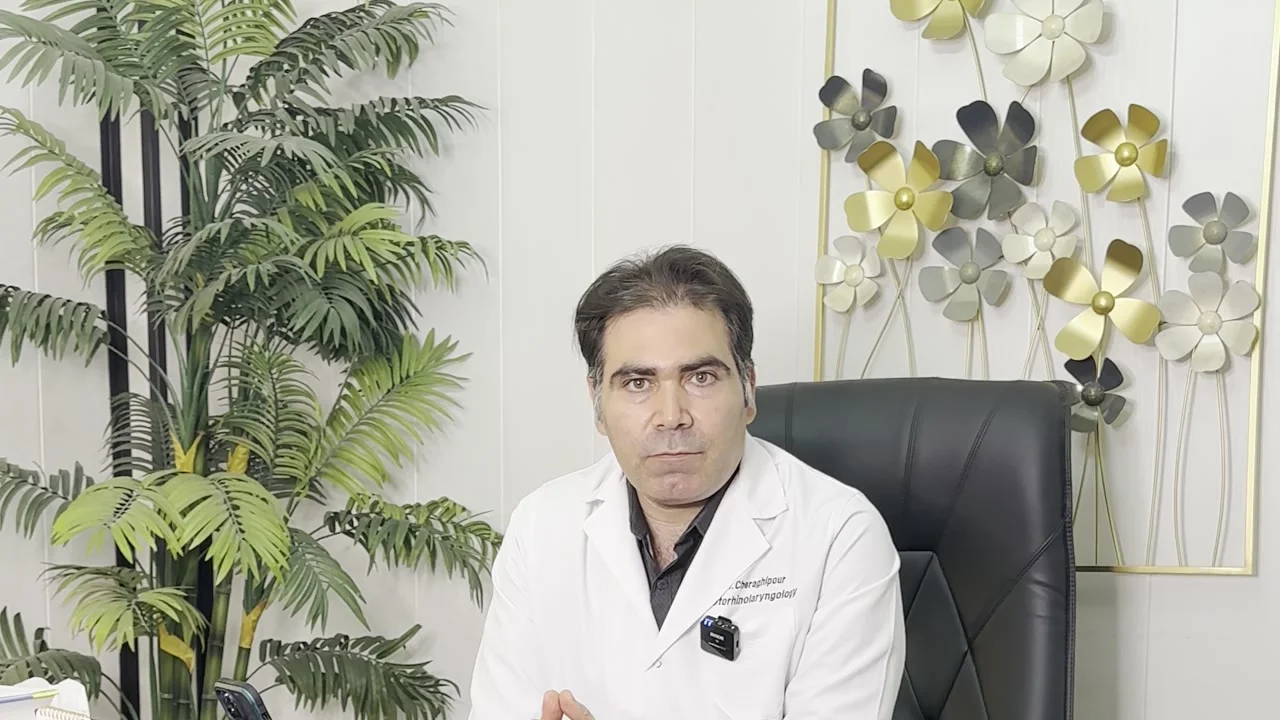 0:41
0:41Surgical Planning
Combining Facelift with Other Procedures
How combining facelift with neck lift or blepharoplasty can improve total facial harmony.
Facial aging occurs across multiple dimensions simultaneously. A facelift corrects structural changes in the mid and lower face, repositioning deep tissues and removing excess skin. However, other areas may require different approaches.
Combining facelift with other procedures enables comprehensive rejuvenation. While the facelift addresses structure and positioning, complementary procedures can refine areas the facelift alone cannot fully address—such as the neck, eyelids, volume loss, or skin texture. This integrated approach restores facial harmony more effectively than treating each area in isolation.
The result is a more balanced, three-dimensional rejuvenation that looks natural because it addresses the face as an interconnected system rather than isolated regions.
Procedures Commonly Combined with Facelift
Neck Lift
A neck lift addresses jowls, excess skin under the chin, and platysmal banding—concerns that extend beyond what a facelift alone can correct. Combining facelift with neck lift is one of the most common and logical pairings, creating a smooth, defined jawline and eliminating the double chin.
The procedures complement each other: the facelift lifts the lower face, while the neck lift refines the transition between face and neck. When performed together, they create a seamless, natural contour.
Blepharoplasty (Eyelid Surgery)
Blepharoplasty addresses upper eyelid drooping and lower eyelid bags, concerns that a facelift does not directly address. Combining facelift with blepharoplasty enhances the periorbital area, making the eyes appear more alert and youthful while maintaining harmony with the rest of the face.
This combination is particularly effective because it addresses both the structural changes of the mid-face and the specific concerns around the eyes, creating a cohesive rejuvenation.
Fat Grafting and Volume Restoration
Volume loss in the cheeks, temples, and mid-face contributes significantly to an aged appearance. A facelift repositions tissues but does not restore lost volume. Combining facelift with fat grafting or dermal fillers addresses this limitation.
Autologous fat transfer uses the patient's own fat, harvested from areas like the abdomen or thighs, to restore volume in the cheeks, temples, and other areas. This creates a more three-dimensional, youthful appearance that looks natural because it uses the patient's own tissue.
Brow Lift
When eyebrow drooping contributes to a tired or aged appearance, combining facelift with a brow lift addresses both the mid-face and upper face. This combination is particularly valuable for patients whose brow position affects the overall facial balance.
The brow lift elevates the eyebrows to a more youthful position, while the facelift addresses the mid and lower face. Together, they create a comprehensive rejuvenation that maintains natural facial proportions.
Chin Augmentation and Genioplasty
Improving the chin profile can enhance facelift results, particularly for patients concerned about maintaining jawline definition over time. Combining facelift with chin augmentation or genioplasty strengthens the lower third of the face, creating a more defined, balanced profile.
This combination is especially valuable for patients with a weak chin or those seeking to prevent future sagging along the jawline.
Skin Resurfacing Procedures
Facelift surgery addresses structure and positioning but does not improve skin texture, fine lines, or pigmentation. Combining facelift with skin resurfacing procedures—such as laser treatments, chemical peels, or radiofrequency therapy—addresses these surface-level concerns.
These complementary procedures are typically performed in a staged approach, with skin resurfacing scheduled after the initial healing from facelift surgery is complete. This timing allows the surgeon to assess the final results and plan the resurfacing accordingly.

Patient Selection and Pre-Combination Assessment
Not every patient is a candidate for combining multiple procedures. The decision requires thorough evaluation of several factors.
Facial Anatomy and Aging Pattern:
The surgeon assesses which areas show signs of aging and how they relate to each other. Some patients may benefit from a facelift alone, while others require a combination approach to achieve balanced results.
Skin Quality:
The elasticity, thickness, and overall health of the skin influence which procedures can be safely combined and how they should be timed.
Overall Health:
Combining procedures increases operative time and may affect recovery. Patients must be healthy enough to tolerate longer surgery and potentially more extensive recovery.
Biological Age vs. Chronological Age:
Some patients' faces age faster or slower than their chronological age would suggest. The assessment focuses on the biological age of the facial tissues, not just the number of years.
Aesthetic Goals:
Understanding what the patient hopes to achieve helps determine whether combining procedures will better meet those goals than a single procedure alone.
Timing and Sequencing of Procedures
The decision between single-stage and staged approaches depends on patient health, operative time considerations, and the specific procedures being combined.
Single-Stage Approach
In healthy patients, many procedures can be performed simultaneously during a single operative session. Combining facelift with neck lift and blepharoplasty, for example, is commonly performed in one stage.
Advantages:
Single recovery period, coordinated results, potentially lower overall cost, and the convenience of addressing multiple concerns at once.
Considerations:
Longer operative time increases anesthesia exposure and may increase certain risks. The recovery period may involve more swelling and discomfort than a single procedure alone.
Staged Approach
Some combinations are better performed in stages, with procedures separated by several months to allow for complete healing between stages.
Advantages:
Shorter individual operative times, potentially lower risk per stage, and the ability to assess results from the first stage before planning the second.
Considerations:
Multiple recovery periods, potentially higher overall cost, and longer time to achieve final results.
The decision between single-stage and staged approaches is made based on the patient's health, the complexity of the combination, and the surgeon's assessment of safety and optimal outcomes.
Benefits and Safety Considerations
Benefits of Combining Procedures
More Harmonious Results:
Treating multiple areas simultaneously creates a more balanced, natural-looking rejuvenation that maintains facial harmony.
Reduced Recovery Periods:
A single-stage approach means one recovery period instead of multiple separate recoveries.
Better Three-Dimensional Balance:
Addressing both structure and volume creates a more youthful, three-dimensional appearance.
Cost Efficiency:
Combining procedures in a single stage can be more cost-effective than performing them separately.
Safety Considerations
Increased Operative Time:
Longer surgeries increase anesthesia exposure and may increase certain risks, particularly for patients with underlying health conditions.
More Extensive Recovery:
Combining procedures typically results in more swelling and a potentially longer initial recovery period, though the overall time to final results may be shorter than staged approaches.
Risk Assessment:
Thorough preoperative evaluation is essential. The surgeon must assess cardiac and pulmonary health, medication management, and the patient's ability to tolerate longer surgery and more extensive recovery.
Anesthesia Planning:
Longer procedures require careful anesthesia planning to ensure patient safety throughout the operation.
The key to safe combination procedures is thorough patient selection, comprehensive preoperative assessment, and realistic expectations about recovery.
Recovery and Post-Combination Care
Recovery from combined procedures follows similar principles to recovery from a single facelift, but with some important differences.
Initial Recovery:
The first week typically involves more swelling and discomfort than a single procedure alone. Patients should plan for adequate rest and support during this period.
Swelling Management:
Swelling may be more extensive and take longer to resolve. Following the surgeon's recommendations for head elevation, cold compresses, and activity restrictions is essential.
Wound Care:
Multiple incisions require careful attention to wound care. The surgeon will provide specific instructions for each incision site.
Follow-Up Appointments:
Regular follow-up appointments allow the surgeon to monitor healing across all treated areas and address any concerns promptly.
Timeline to Final Results:
While initial recovery may take longer, the overall timeline to see final results may be similar to or shorter than staged approaches, since all areas are addressed simultaneously.
Complementary Non-Surgical Procedures:
Non-surgical treatments like skin resurfacing are typically scheduled after the initial healing is complete, usually several months after surgery. This allows the surgeon to assess the final surgical results and plan complementary treatments accordingly.
Frequently Asked Questions
Is combining facelift with blepharoplasty safe?
Yes, in healthy patients with appropriate preoperative assessment, combining facelift with blepharoplasty is safe and commonly performed. These procedures complement each other well and are often performed together in a single-stage approach. The key is thorough patient selection and careful surgical planning.
Will combining procedures produce more natural results?
When planned thoughtfully, combining procedures typically produces more natural, harmonious results than isolated interventions. This is because the approach addresses the face as an integrated system, maintaining balance and proportion across all treated areas. However, the results depend on the surgeon's skill, appropriate patient selection, and realistic expectations.
Should all procedures be performed at once or in stages?
The decision depends on patient health, the complexity of the combination, and the surgeon's assessment. Many healthy patients can safely undergo multiple procedures in a single stage, which offers the convenience of one recovery period. However, some combinations are better performed in stages to reduce operative time or allow for assessment of initial results before planning subsequent procedures.
How long is recovery from combined procedures?
Initial recovery from combined procedures typically takes 2-3 weeks, with most visible swelling resolving within the first month. However, final results continue to refine over several months. The recovery period may be slightly longer than a single procedure alone, but it's typically shorter than the combined recovery periods of staged approaches.
Does combining procedures increase the risk of complications?
Combining procedures can increase certain risks, particularly related to longer operative time and more extensive tissue manipulation. However, with appropriate patient selection, thorough preoperative assessment, and skilled surgical technique, the risks remain manageable. The surgeon will discuss specific risks based on your health and the procedures being combined.
Can non-surgical procedures be combined with facelift?
Non-surgical procedures like laser treatments, chemical peels, and injectables are typically performed in a staged approach, scheduled after the initial healing from facelift surgery is complete. This allows the surgeon to assess the final surgical results and plan complementary non-surgical treatments accordingly. Some injectables may be used during surgery for volume restoration, but surface treatments are usually deferred until healing is complete.
Meet Your Surgeon

With over 14 years of experience in facial aesthetic surgery and facelift procedures, Dr. Parsa Charaghipour is one of Iran's leading aesthetic surgeons. Specializing in modern facelift techniques and personalized approaches, he has helped hundreds of patients achieve optimal results with minimal risks.
Dr. Charaghipour's key strengths include complete transparency in explaining risks, precise candidate evaluation, and comprehensive patient care from initial consultation through full recovery. He specializes in combining facelift with other aesthetic procedures and can design the best treatment plan based on your individual needs.
Conclusion
Combining facelift with other procedures offers a comprehensive approach to facial rejuvenation that addresses multiple aspects of aging simultaneously. When planned thoughtfully and performed by an experienced surgeon, these combinations can produce more natural, harmonious results than isolated procedures.
The decision to combine procedures should be made through careful consultation with a board-certified plastic surgeon who can assess your individual anatomy, health, and aesthetic goals. A thorough evaluation will determine whether combining procedures is right for you and, if so, which combination and timing approach will best achieve your desired results.
If you're considering combining facelift with other procedures, schedule a consultation with a qualified surgeon to discuss your options, understand the benefits and considerations, and develop a personalized treatment plan that aligns with your goals and ensures your safety.
For more information on related topics, you may find these articles helpful:
- Facelift Recovery Tips - Complete guide to recovery period
- Facelift Risks and Complications - Complete guide to risks and complications
- Facelift Cost in Iran - Real prices and influencing factors
- Preparing for Facelift Surgery - Complete preparation guide