

Simultaneous Face and Neck Lift | Benefits, Ideal Candidates and Cost in Iran 2026 | Facelift 360
This is an educational guide. For consultation, individual evaluation, and booking, see the face lift service page and the neck lift service page.
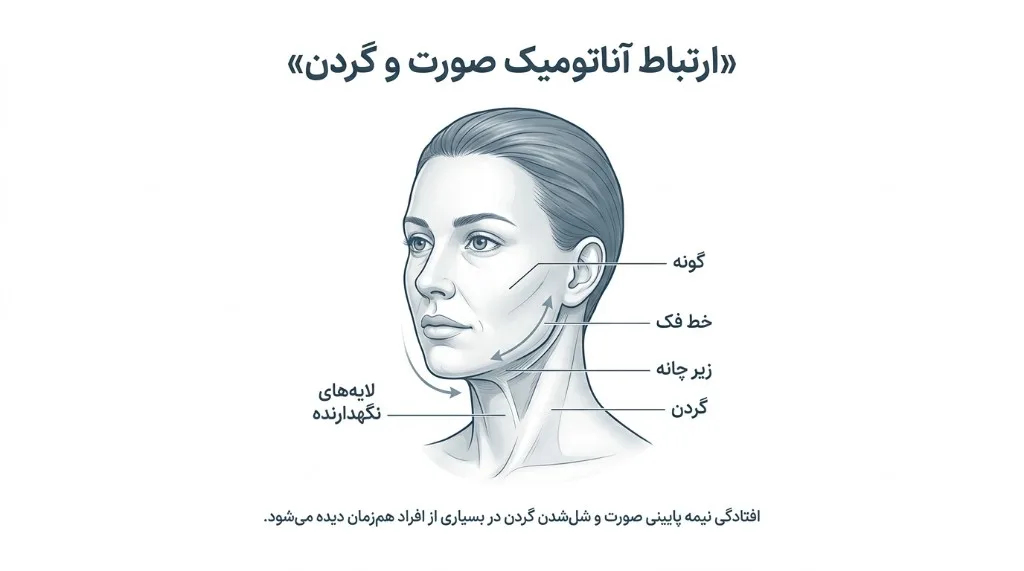
As we age, the skin and deeper tissues of the face and neck often change together: cheek and jaw descent, a less defined jawline, and neck skin laxity commonly appear together because these areas are anatomically linked. That is why many people considering a facelift ask the same question: should the neck be corrected at the same time?
Can a facelift and neck lift be done at the same time?
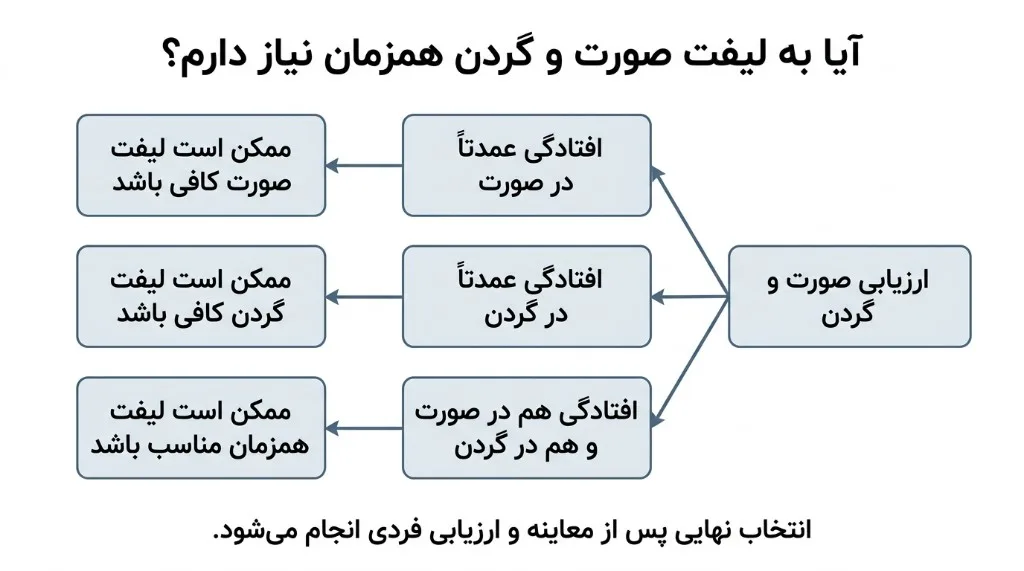
Yes. In suitable patients, a facelift and a neck lift can be performed in one operation. This combination is usually helpful when aging affects both the lower face and the neck, and the surgeon judges that coordinated correction will produce a more coherent result. Simultaneous surgery is not required for everyone; some people need only a neck lift or only a facelift. The final decision depends on anatomy, degree of laxity, general health, goals, and the surgical plan — and can only be set after in-person examination.
What is a simultaneous face and neck lift?
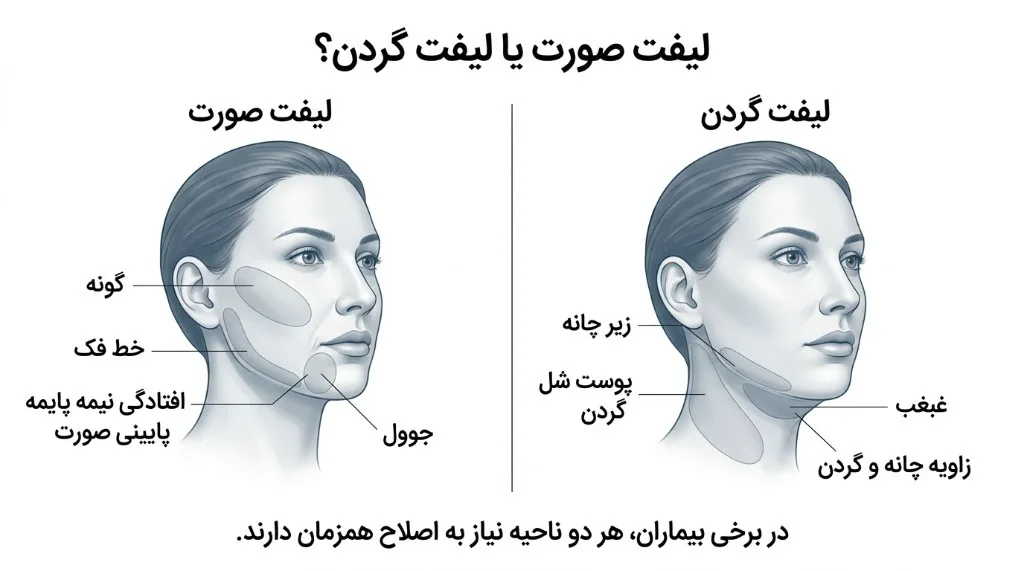
A facelift mainly addresses mid-to-lower face sagging — cheeks, jowls, and folds around the mouth. A neck lift targets loose neck skin, a double chin, and loss of the chin–neck angle. Because shared supporting layers connect both regions, some patients can address both areas in one sitting. That does not mean combined surgery is automatically best for everyone; it is an option that can make sense in specific circumstances.
Must face and neck lift always be done together?
No. Some patients have mainly neck laxity with little lower-face change; a neck lift alone may be enough. Others have lower-face sagging with an acceptable neck. Combining procedures should follow real examination — not a fixed rule.
Why combining face and neck lift can make sense
When both areas sag together, combining surgery can offer potential advantages:
 0:41
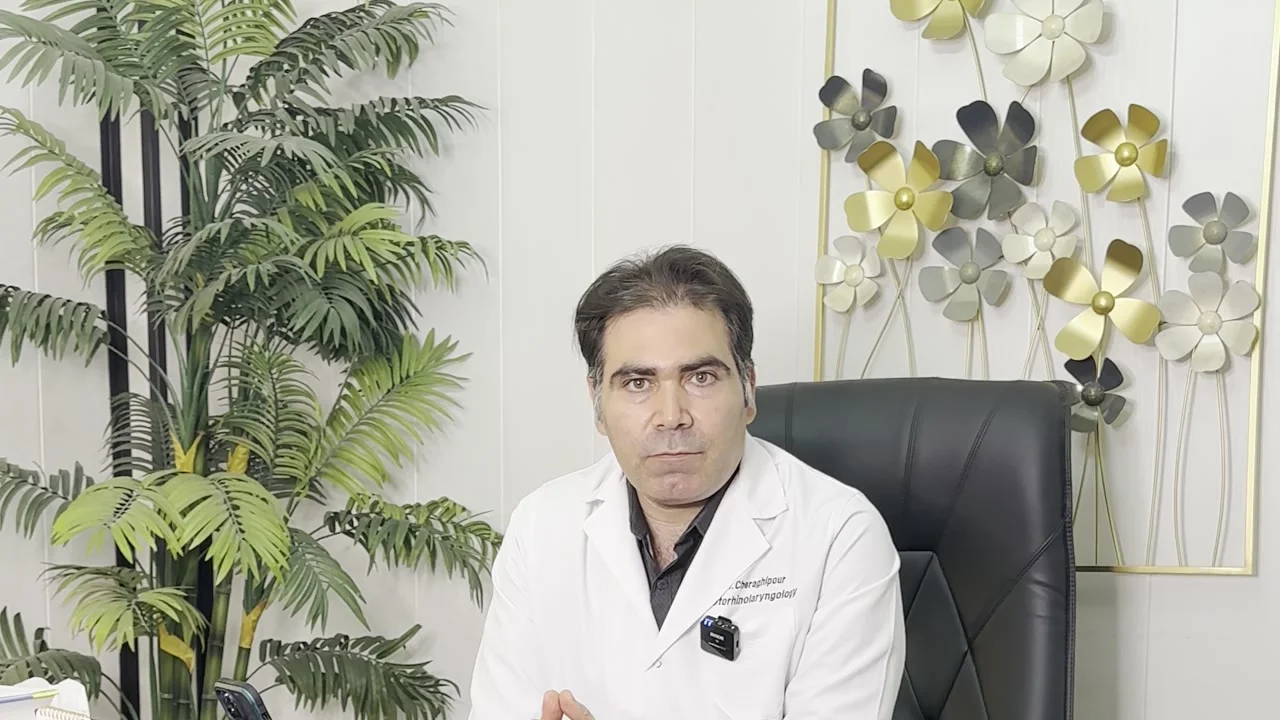
0:41Surgical Planning
Combining Facelift with Other Procedures
How combining facelift with neck lift or blepharoplasty can improve total facial harmony.
- Better harmony between jaw and neck: Simultaneous correction can reduce a visible border between a rejuvenated face and an untreated neck.
- One surgery and recovery instead of two: One anesthetic/sedation episode and one recovery period instead of two.
- A more coherent surgical plan: The surgeon can design both areas as one unit from the start.
There are also trade-offs:
- The operation is more extensive and may take longer under anesthesia.
- Patient selection matters more as surgical scope increases.
- Anesthesia planning and aftercare need extra care.
Whether to combine or separate these procedures should come from discussion between patient and surgeon — not a generic preference.
Who is a good candidate?
Suitable candidates for simultaneous face and neck lift often share:
- Noticeable sagging in the cheeks and jawline
- Loose neck skin or a double chin
- Loss of a clear jaw–neck angle
- Deep folds around the nose and mouth
- Realistic expectations
- General health adequate for surgery and recovery
Age alone is not a candidacy criterion. Skin quality, tissue laxity, and overall health matter more — and those factors are assessed in person.
When might a neck lift alone be enough?
If laxity is mainly limited to the neck and the lower face has not changed much, a neck lift alone can be appropriate. That decision requires individual anatomical assessment.
Facelift versus neck lift
| Feature | Facelift | Neck lift |
|---|---|---|
| Main treatment area | Cheek, jowl, jawline, around the mouth | Under the chin, neck skin and muscle |
| When to consider it | Lower-face sagging | Neck laxity or double chin |
| Combining with another procedure | Can combine with neck lift in suitable patients | Can combine with facelift in suitable patients |
These procedures overlap but are not identical; each targets a defined region.
What techniques are used for face and neck lift?
Technique choice should follow anatomy, degree of laxity, aging pattern, and surgical assessment — not a fixed preference for every patient. For a broader technique discussion, see why modern facelift results no longer look pulled or fake.
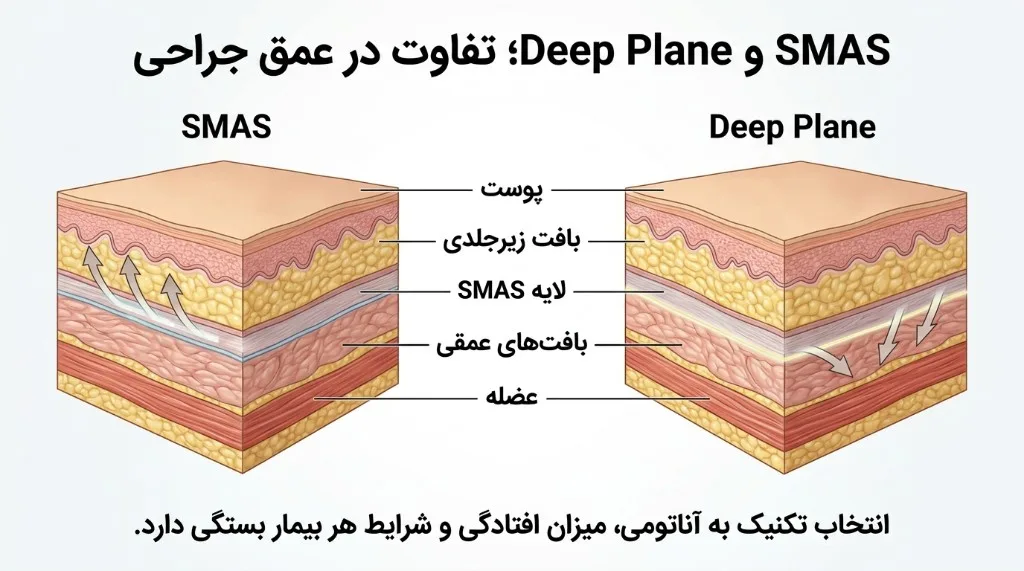
SMAS
The surgeon repositions the SMAS (fibromuscular layer under the skin) as well as skin. This approach suits many patients with mild-to-moderate laxity.
Deep Plane
Deep Plane dissection goes deeper than typical SMAS work and moves deeper facial tissues as a unit. It is often considered for moderate-to-severe laxity and midface involvement, but surgical complexity and operative time are usually higher.
Limited approaches or mini facelift
For milder laxity or patients seeking a smaller procedure with a shorter recovery, a mini facelift may be worth discussing, though the correction is more limited than a full facelift.
Is Deep Plane better for every patient?
No. Deep Plane is an advanced, effective technique, but that does not mean it is the best choice for everyone. It usually involves greater complexity and longer operative time. In mild-to-moderate laxity, simpler approaches such as SMAS can still give satisfying results. Technique choice should be individualized — a deeper method is not automatically a better result.

What are realistic results?
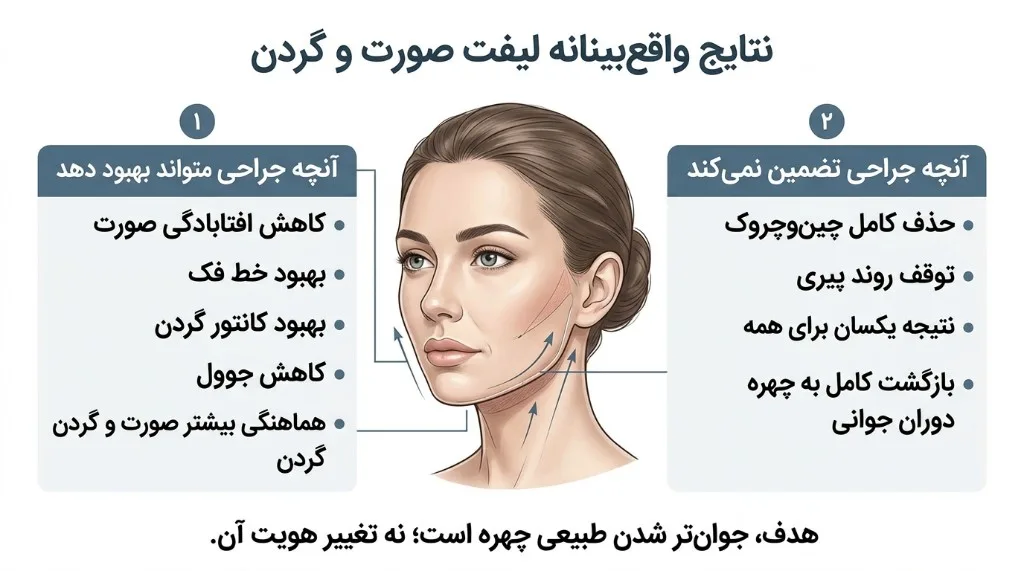
Patients can often expect:
- Less lower-face sagging
- A clearer jawline
- Improved neck contour when the neck is also treated
- Reduced jowls
- Better harmony between face and neck
Surgery does not guarantee:
- Complete removal of all wrinkles
- Stopping the aging process
- Identical results for everyone
- Full resolution of every neck concern in every case
- A fixed number of “years of youth”
How long do results last?
Results are usually long-lasting but not permanent; natural aging continues after surgery. Medical sources often cite approximate ranges of about 5–10 years for more superficial approaches such as SMAS and about 10–15 years for Deep Plane — these are rough averages, not guarantees. Real longevity depends on anatomy, skin quality, lifestyle, smoking, sun exposure, and genetics. Think of this as a long-term improvement, not a result with a fixed expiration date. See also how long a facelift lasts.
Recovery after simultaneous face and neck lift
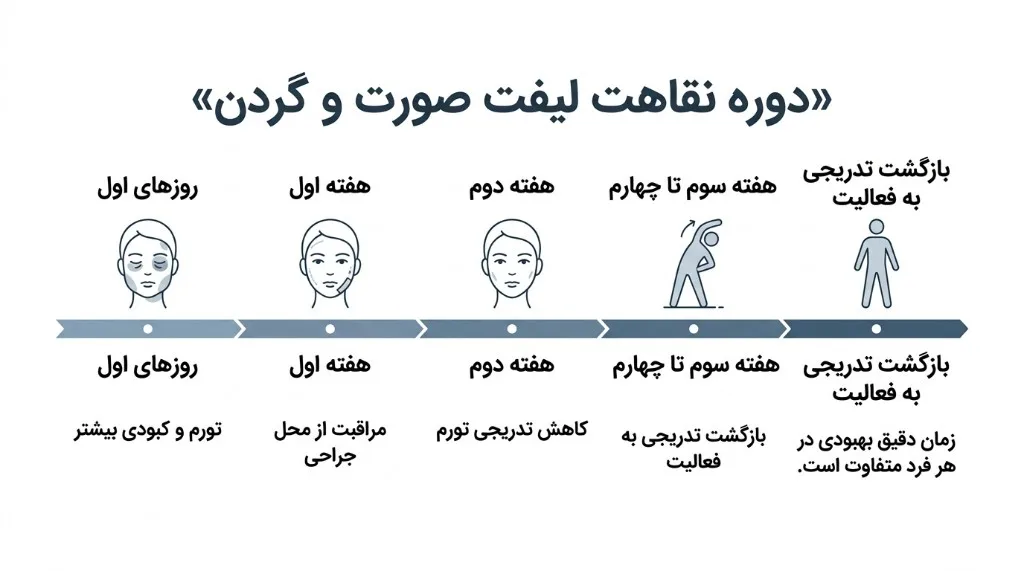
Recovery commonly includes:
- Swelling and bruising in the first days that gradually improve
- Discomfort manageable with prescribed medicines
- Wound care as directed by the surgeon
- Sleeping with the head elevated early on
- Gradual return to daily and work activities
- Temporary limits on heavy exercise
- Regular follow-up visits
Exact timing varies; these are general estimates, not fixed medical orders. Your surgeon sets your recovery plan. Related guide: facelift recovery tips.
Risks and possible complications

Like any surgery, face and neck lift carries risks you should understand before deciding:
- Bleeding or hematoma
- Infection
- Prolonged swelling or bruising
- Delayed wound healing
- Visible or widened scars
- Temporary or, rarely, lasting numbness or sensory change
- Asymmetry
- Hairline change
- Facial-nerve–related complications
- Contour irregularity
- Possible need for revision or additional treatment in rare cases
This list is for informed consent, not fear. Your surgeon should explain risks in light of your situation. More detail: facelift risks and complications.
Where and how should the surgery be performed?
Clarify these points before surgery:
- Exact surgical facility
- Type of anesthesia and who administers it
- Facility standards
- Intraoperative monitoring
- Emergency preparedness
- Postoperative monitoring and care
- Follow-up schedule
Cost of face and neck lift in Iran / Tehran

Cost depends on many factors, including:
- Surgical scope and areas treated
- Face technique (SMAS, Deep Plane, or mini lift)
- Whether a neck lift is part of the plan
- Anesthesia type
- Facility and operating room
- Surgeon’s fee
- Complementary procedures
- Aftercare
- Pre-operative tests
An exact fee cannot be given without in-person examination. If a quote is unusually low, ask what it includes and where surgery will be done — a low price is not automatically dangerous, but it needs transparency.
For the general 2026 cost framework, see facelift cost in Iran 2026.
What to check when comparing prices
Before accepting a quote, confirm whether it includes:
- Surgeon’s fee
- Anesthesia
- Operating room / facility
- Pre-op tests
- Post-op medicines
- Follow-up visits
- Dressings and wound care
- Possible complementary procedures
- Unplanned aftercare that may arise
Questions to ask your surgeon

- Do I need simultaneous face and neck lift?
- What would change if I had a neck lift alone?
- Which technique do you recommend for me, and why?
- Is SMAS or Deep Plane more appropriate for my case?
- What is the main limitation of the result for me?
- Which complications should I understand?
- Where will surgery be done, and what anesthesia will be used?
- What is the follow-up plan?
- What exactly does the quoted fee include?
- How long should I stay off work or heavy exercise?
Warning signs when choosing a surgeon

- Guaranteed results or a fixed longevity number
- Downplaying complications
- Pressure to book immediately
- Unclear credentials or experience
- Unclear facility or anesthesia plan
- Vague or unverifiable before/after photos
- Price without a clear breakdown
- No defined follow-up plan
- Unproven claims such as “best surgeon”
See also how to choose a facelift surgeon and the doctor profile. Cases are available in the gallery.
Summary
Face and neck lift can be combined in suitable patients and, in specific situations, can offer better harmony and efficiency than two separate operations. It is not a fixed rule for everyone. Choosing simultaneous surgery, neck lift alone, or facelift alone — and choosing technique — should follow careful anatomical assessment, laxity, health, and goals.
If you are unsure whether a combined plan fits your face and neck, a specialist consultation can clarify which areas need treatment and which approach fits you best.
--- *This content is educational and does not replace examination, diagnosis, or an individualized treatment plan. Technique choice, candidacy, risk assessment, and cost estimates are made after examining each patient.*