

Complete Temple Lift Guide: Techniques, Recovery & Cost
A temple lift is a targeted surgical procedure that elevates temple soft tissue and restores the outer brow toward a more natural position. This page is an educational guide covering techniques, candidacy, recovery, risks, and cost ranges. When you are ready for a clinic evaluation and treatment plan, use the temple lift service page.
What Exactly Is a Temple Lift?
If you've caught yourself looking in the mirror and your eyes seem more tired than usual, even after a full night's sleep, the issue might not be your eyes at all, it might be your temples. The temple is that small stretch between the outer end of your brow, your hairline, and the top of your cheek, and it's one of the first areas to lose both volume and tone as you age. That combination is what pulls the outer corner of the brow down, makes the upper eyelid look heavy, and gives your gaze a perpetually tired look, even when you're not actually tired at all.
A temple lift is a targeted, relatively contained surgical procedure that addresses exactly this area: it lifts the soft tissue of the temple, repositions the outer brow closer to its natural place, and restores that open, awake look, without making the face appear pulled or unnatural. That precision is exactly why many consider it one of the most subtle yet impactful facial rejuvenation procedures available.
Why Does the Temple Area Sag and Hollow Out?
Temple aging happens along two parallel paths that usually occur together: volume loss and tissue descent. The natural fat pad beneath the temple skin gradually shrinks over the years, which is what creates that hollowed, sunken appearance. At the same time, the supportive layers under the skin loosen, and the weight of the tissue gets pulled downward and outward.
The main contributors to this process include:
- Natural decline in fat volume and collagen in the temple area with age
- Weakening of the supportive layers beneath the skin over time
- Gravity and constant tension that gradually pull tissue downward
- Significant weight loss, which can make existing hollowing more noticeable
- Genetics; some people are predisposed to earlier temple sagging
- Cumulative sun damage from years of unprotected UV exposure
Together, these factors are what pull the outer brow corner down, cast a shadow over the eyelid, and create that "perpetually tired" look, even in people who are genuinely well-rested.
Who Is a Good Candidate for a Temple Lift?
The ideal temple lift candidate is someone unhappy with a drooping outer brow, heaviness in the lateral upper eyelid, or deepening lines at the outer corner of the eye, but it's important to distinguish between true tissue descent and hollowing caused purely by volume loss. During an initial consultation, a surgeon typically evaluates:
- The quality and thickness of the temple skin
- Whether the outer brow has genuinely descended versus simply appearing hollow due to volume loss
- The distance between the hairline and brow, which affects incision placement
- Facial symmetry before surgery
- Overall health and medical history, particularly regarding fitness for anesthesia
There's no fixed age for a temple lift. Some people consider it in their late 20s or 30s due to genetics, while for many others the decision comes in their 40s, 50s, or 60s. What matters is the actual condition of your temple tissue, not a number on a calendar.
Temple Lift Candidate Quiz
Answer 4 quick questions to see if a temple lift may suit you
Ready to assess your candidacy?
Answer 4 simple questions about your temples, brow position, and treatment preferences for an initial guide.
How Is Temple Lift Surgery Performed?
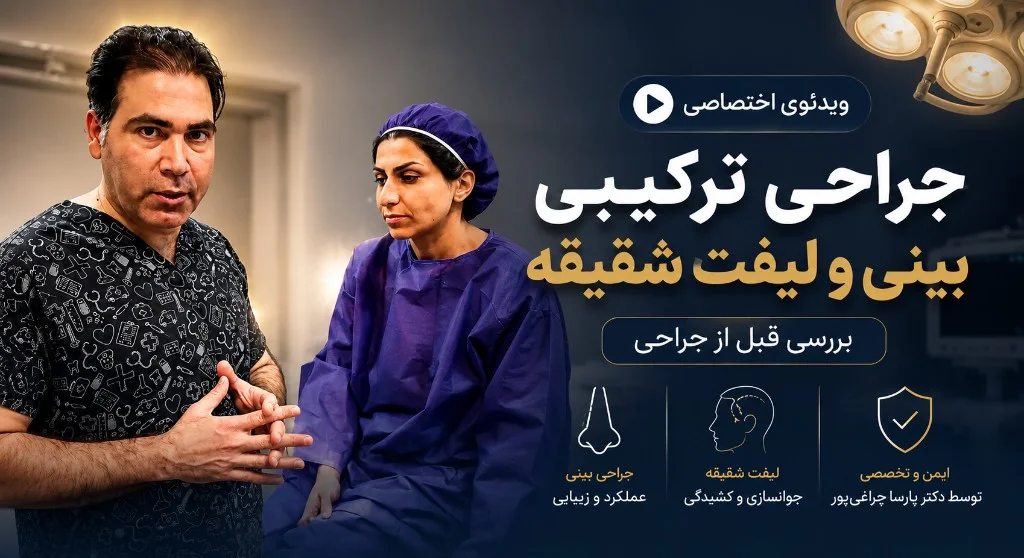 0:38
0:38Temple lift and rhinoplasty clinical consultation
Short consultation footage from a combined temple-lift plan with nasal harmony, published with patient consent. Rhinoplasty is not a standalone Facelift360 service.
The exact steps vary by technique, but the procedure generally follows this sequence:
A real combined-planning clinical case (temple lift alongside nose surgery) is on the temple lift service gallery.
1. Consultation and assessment; the surgeon evaluates skin, volume, and the actual degree of descent and recommends a suitable approach. 2. Anesthesia; depending on whether the procedure is performed alone or alongside a brow lift or eyelid surgery, this can be local anesthesia with sedation or general anesthesia. 3. Incision; typically a small incision placed within the temple hairline so the scar is fully concealed within the hair. 4. Lifting the soft tissue; the deep layer of temple tissue is elevated upward and backward to bring the brow corner closer to its natural position. 5. Tissue fixation; sutures or absorbable biological fixation devices hold the tissue in its new position during healing. 6. Closure; usually with fine sutures or staples that stay fully hidden within the hair.
When performed alone, the surgery typically takes between forty-five minutes and an hour and a half; combined with a brow lift or blepharoplasty, the operative time increases.
Types of Temple Lift Techniques
A temple lift isn't a single procedure; depending on the degree of sagging and hollowing, a surgeon may use one of the following techniques or a combination:
Endoscopic Temple Lift:
The least invasive option, using very small incisions within the hairline and a camera for precise visualization. Faster recovery with less swelling.
Open Temporal Lift:
A slightly larger incision, still concealed within the hairline, suited for more pronounced sagging or when combined with a brow lift or facelift.
Absorbable Fixation:
Using biological fixation devices that gradually absorb into the body to hold tissue in its new position during the healing period.
Temporal Fat Grafting:
When the main concern is volume-related hollowing rather than true skin laxity, this can be performed on its own or alongside a lift.
The right choice should always be based on an in-person exam and an accurate read on whether the issue is true descent or volume loss, not on advertising or someone else's results.
Temple Lift or Brow Lift: What's the Difference?
This comes up often in consultations. A temple lift is technically a subset of a brow lift, focused specifically on the outer third of the brow and the lateral eye area, while a full brow lift addresses the entire forehead and both sides of the brow.
If your main concern is a drooping outer brow corner and heaviness at the lateral eyelid, while your forehead lines and the central brow remain relatively unaffected, a temple lift alone can deliver a noticeable, natural-looking improvement, with a smaller incision and a shorter recovery. But if the entire forehead has deep lines and the central brow has also dropped, a full brow lift is usually the more harmonious choice.
During a consultation, the surgeon examines your entire brow and forehead, not just the temple, to determine which approach will give you the most natural result.
Recovery Timeline and Returning to Daily Life
The first question most patients ask is some version of: "How long until I look normal again?"
 0:18
0:18How Hard Is Temple Lift? Recovery Timeline
How difficult is temple lift surgery, and what is recovery like? Dr. Parsa Cheraghipour explains rest time, return to daily activity, and typical bruising and swelling.
In general, recovery follows this pattern:
- Week 1: Mild to moderate swelling and bruising around the temples, sometimes extending to the outer eye area. A sensation of tightness or localized scalp numbness near the incision is normal. Most patients rest at home during this period.
- Weeks 2-3: Swelling decreases noticeably, and many people can return to light social activities with light makeup or hairstyling.
- Month 1-3: Residual tightness and any lingering numbness gradually resolve, and the brow position starts looking more natural.
- After month 3: The final result is fully visible.
One thing specific to the temple area: hair around the incision line may appear slightly thinner in the first few weeks. This is usually temporary and resolves over a few months. Strenuous physical activity is usually restricted for three to four weeks, though this should be determined by your surgeon based on your specific case.
Temple lift cost (educational ranges)
Let's be honest: any website that posts a single fixed number for temple lift cost is either being unrealistic or simply out of date. Temple lift cost in Tehran depends on a combination of factors, not a one-size-fits-all rate:
- Technique chosen: Endoscopic technique is typically priced differently than the open approach or combination with fat grafting.
- Type of anesthesia: General anesthesia with an anesthesiologist present costs more than local anesthesia with sedation.
- Combination with other procedures: If a temple lift is performed alongside a brow lift, blepharoplasty, or facelift, the overall cost package will differ.
- Surgery duration and complexity: More extensive sagging that requires more precise fixation increases both operating time and cost.
- Surgeon's experience and specialization: Surgeons with facial plastic surgery expertise and a documented track record in this specific procedure often price differently than general clinics.
- Associated costs: Operating room fees and post-operative follow-up visits.
For this reason, the most accurate and fair way to learn your actual temple lift price is an in-person consultation, where the surgeon examines your temple directly and provides a transparent, individualized estimate. This approach prevents decisions based on inaccurate information and ensures the price you're quoted actually reflects your specific needs.
Temple Lift Cost Calculator
Tehran • 2026
Final price is determined after in-person examination.
Possible Risks and Safety Considerations
Like any surgical procedure, a temple lift isn't without risk, though choosing an experienced surgeon significantly minimizes it. Possible complications include normal swelling and bruising during recovery, the possibility of bleeding or infection, temporary scalp numbness near the incision, temporary thinning of hair in that area, and in rare cases, mild asymmetry.
What sets the temple apart from many other facial areas is its proximity to the frontal branch of the facial nerve, the nerve responsible for forehead and brow movement. Improper handling near this branch, while rare, can cause temporary, and in very rare cases permanent, weakness in brow movement. This is exactly why a surgeon's mastery of the precise anatomy of this region matters so much.
To reduce these risks, a few things matter:
- Carefully following your surgeon's pre- and post-operative instructions
- Fully disclosing medications, medical history, and allergies during the initial consultation
- Avoiding smoking for at least several weeks before and after surgery
- Attending all scheduled follow-up visits to confirm healing is on track
Why choosing the right temple lift surgeon matters
The temple is one of the more delicate areas for facial cosmetic surgery; its proximity to the frontal branch of the facial nerve and the fine layering of the underlying tissue mean that imprecise correction can lead to asymmetric or unnatural results. That's why a surgeon's experience with this specific procedure, their precise understanding of temple anatomy, and a real track record of prior cases matter even more than the technique itself.
During a consultation, asking the following questions can help you make a better decision: How much experience does the surgeon have specifically with temple and brow procedures? Which technique is recommended for my particular case, and why? What does a realistic outcome look like for my face? What complications are possible, and what's the plan for managing them?
Ready to review your case?
The next best step for a personalized treatment plan is an in-person consultation.
Clinic path on the temple lift service page · Book with Dr. Charaghipour
Frequently Asked Questions
How long do temple lift results last?
Temple lift results typically last between five and ten years or longer, though this depends on genetics, lifestyle, weight fluctuations, and how well the skin is cared for afterward. Natural aging continues, but the temple area remains noticeably more open and youthful-looking than it would have without the procedure.
Is a temple lift painful?
During the procedure itself, the patient is under anesthesia and feels no pain. In the first few days afterward, a sensation of tightness, mild pressure, or localized scalp numbness is normal and is typically manageable with prescribed pain medication.
Does a temple lift leave visible scars?
The incision is usually placed within the temple hairline, keeping it fully concealed within the hair. With time and proper care, this scar typically fades and becomes nearly unnoticeable.
What's the difference between a temple lift and a brow lift?
A temple lift focuses only on the outer third of the brow and the lateral eye area, with a smaller incision and shorter recovery. A full brow lift addresses the entire forehead and both sides of the brow, making it more suitable for more widespread sagging.
Can a temple lift be done without surgery?
For volume-related hollowing, filler or fat injections can offer noticeable improvement. For mild sagging, Botox or thread lifts can give a temporary, more limited result. For genuine, noticeable tissue descent, surgery remains the standard and longer-lasting approach.
Does a temple lift cause hair loss?
Some people notice temporary thinning of the hair around the incision line in the first few weeks after surgery. This is usually temporary and resolves within a few months, especially when the surgeon takes careful care with incision placement and direction.
بهترین سن برای لیفت شقیقه چیست؟
سن ثابت و قطعی برای لیفت شقیقه وجود ندارد؛ آنچه مهمتر است میزان افتادگی واقعی بافت شقیقه و گوشه ابرو است. بسیاری از بیماران بین دهه چهل تا شصت سالگی مراجعه میکنند، اما برخی در دهه سیسالگی با افتادگی زودرس یا ژنتیکی و برخی در دهه هفتاد با سلامت عمومی مناسب هم کاندید میشوند. جراح در معاینه حضوری، کیفیت پوست، سابقه پزشکی و انتظارات شما را بررسی میکند تا مشخص شود الان زمان مناسب است یا بهتر است صبر کنید یا روش دیگری انتخاب شود.
قیمت لیفت شقیقه تقریباً در چه بازهای است؟ (آموزشی)
هزینه لیفت شقیقه در تهران یک عدد ثابت برای همه نیست و به تکنیک جراحی، نوع بیحسی یا بیهوشی، تجربه جراح، ترکیب با سایر عملها و هزینههای جانبی بستگی دارد. بر اساس برآورد اولیه ماشینحساب این مرکز، بازه تقریبی برای تکنیک اندوسکوپیک معمولاً حدود ۳۶ تا ۶۷ میلیون تومان است؛ این بازه غیرالزامآور است و جایگزین برآورد اختصاصی پس از معاینه نمیشود. بازههای آموزشی است و جایگزین برآورد پرونده نیست. عوامل هزینه و مسیر درمان: صفحه خدمت لیفت شقیقه · جزئیات آموزشی در بخش هزینه همین راهنما · رزرو مشاوره.
آیا لیفت شقیقه با بلفاروپلاستی همزمان امکانپذیر است؟
بله، در بسیاری از موارد لیفت شقیقه و بلفاروپلاستی در یک نوبت جراحی برنامهریزی میشوند، بهخصوص وقتی هم افتادگی شقیقه و هم مشکل پلک بالا وجود دارد. ترکیب این دو میتواند هماهنگی ناحیه بالای چشم را بهتر کند و از دو بار بیهوشی جلوگیری کند، اما دوره نقاهت اولیه معمولاً طولانیتر و تورم اطراف چشم محسوستر است. تصمیم نهایی بعد از معاینه و با توجه به سلامت عمومی و برنامه اختصاصی شما گرفته میشود.
آیا بیمه هزینه لیفت شقیقه را پوشش میدهد؟
لیفت شقیقه در اکثر موارد بهعنوان جراحی زیبایی (کازمتیک) انجام میشود و معمولاً تحت پوشش بیمههای پایه یا تکمیلی در ایران قرار نمیگیرد. اگر افتادگی ابرو یا پلک بهقدری شدید باشد که دید را مختل کند، در موارد نادر ممکن است بخشی از درمان مرتبط با عملکرد مورد بررسی قرار گیرد؛ این موضوع به تشخیص پزشک، مدارک و قوانین بیمه بستگی دارد و برای هر فرد متفاوت است. قبل از عمل، وضعیت پوشش بیمه خود را مستقیماً با بیمهگر و جراح مطرح کنید.
چه آمادگیای قبل از عمل لیفت شقیقه لازم است؟
آمادگی قبل از عمل معمولاً شامل مشاوره حضوری، ارائه سابقه پزشکی و داروهای مصرفی، انجام آزمایش یا بررسیهای درخواستی جراح و رعایت دستورات مربوط به ناشتا بودن در روز عمل است. جراح ممکن است مصرف برخی مکملها یا داروهایی که خونریزی را تشدید میکنند را قبل از عمل محدود کند — فقط با هماهنگی خود جراح و پزشک معالج. ترجیحاً از سیگار و الکل در روزهای قبل از عمل پرهیز کنید، برنامه مراقبت بعد از عمل و همراه در روز جراحی را هماهنگ کنید و سوالات خود را در ویزیت قبل از عمل بپرسید.