
Facelift Recovery: 12 Golden Tips for Fast and Safe Healing
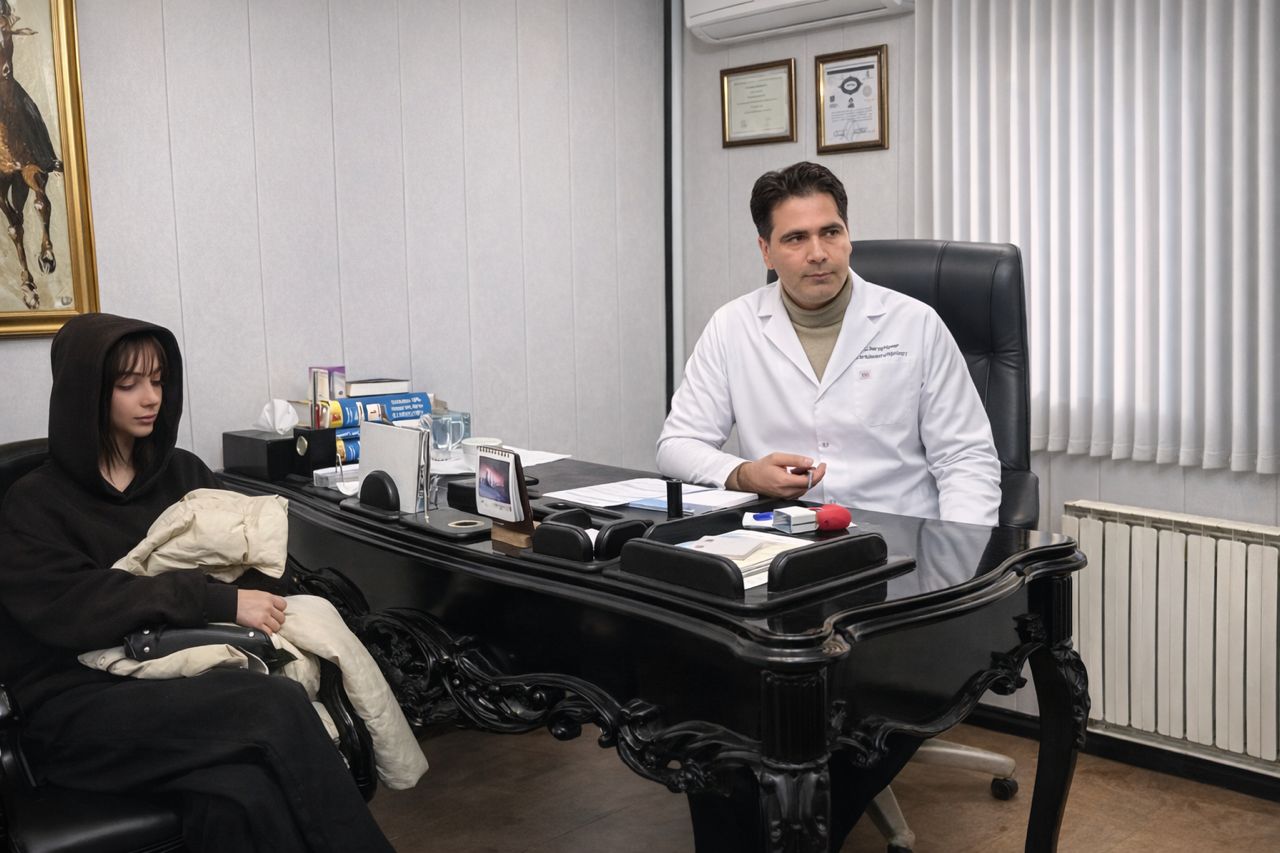
Sarah, a 52-year-old patient, called me two weeks after her facelift. Her voice was full of concern: "Doctor, I think something's wrong. I still have swelling and don't know if it's normal."
After examination, I found everything was normal - Sarah just didn't know what to expect. This is exactly what this article is for: a complete guide to facelift recovery so you know what to expect and how to heal faster.
Week 1: Critical Phase
 0:56
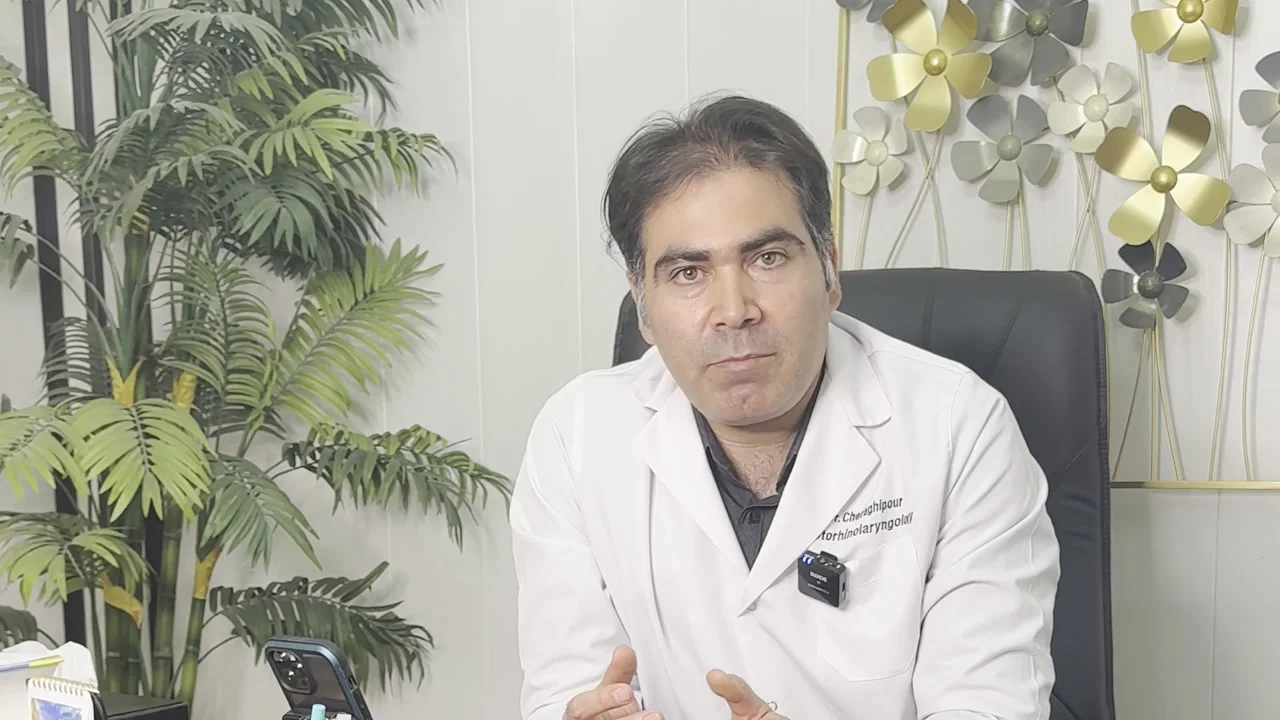
0:56Postoperative Care After Facelift Surgery
Essential early postoperative steps to reduce swelling, bruising, and recovery time.
Days 1-3: Absolute Rest
These are the most important days of your recovery. Your body is healing and needs complete rest.
What to do:
- Rest in semi-upright position
- Use cold compress every 20 minutes
- Take medications exactly as prescribed
- Drink plenty of water
- Avoid all activities
What not to do:
- Bending or lifting heavy objects
- Washing face
- Touching the surgical area
- Smoking
- Drinking alcohol
Days 4-7: Gradual Improvement
Swelling and bruising begin to decrease. You can resume light activities.
Normal symptoms:
- Swelling (worse in morning)
- Bruising (gradually fading)
- Temporary numbness
- Tight feeling in face
Warning signs (contact surgeon immediately):
- Fever above 38°C
- Severe redness and warmth
- Pus discharge
- Severe pain not controlled by medication
Weeks 2-4: Gradual Return
Week 2
You can:
- Return to light desk work
- Drive (if not taking pain medication)
- Do light daily activities
Still avoid:
- Exercise
- Gym
- Massaging face
- Sauna or hot tub
Weeks 3-4
Most swelling and bruising is gone. You can:
- Return to normal activities
- Do light exercise
- Wear makeup (with gentle products)
Months 2-6: Final Results
Final results begin to appear. Scars fade and your face takes its final shape.
12 Golden Tips for Faster Recovery
1. Get enough rest - Your body needs energy to heal 2. Use cold compress - Reduces swelling and bruising 3. Keep head elevated - Even while sleeping 4. Eat healthy diet - Protein, vitamin C, zinc, plenty of water 5. Take medications exactly - Don't skip doses 6. Avoid sun - Use SPF 50+ for at least 6 months 7. Don't smoke - Slows healing significantly 8. Manage stress - Meditation, music, reading 9. Move gently - Avoid sudden movements 10. Keep wounds clean - Follow surgeon's instructions 11. Be patient - Final results take 3-6 months 12. Stay in touch with surgeon - Attend follow-ups, ask questions
Conclusion
Facelift recovery can be challenging, but following these tips can lead to faster, more comfortable healing. Remember: patience and proper care are the keys to excellent results.
Contact Facelift 360 Clinic for more recovery guidance.