Blepharoplasty — Facelift360

Facelift 360

Blepharoplasty

Back to services

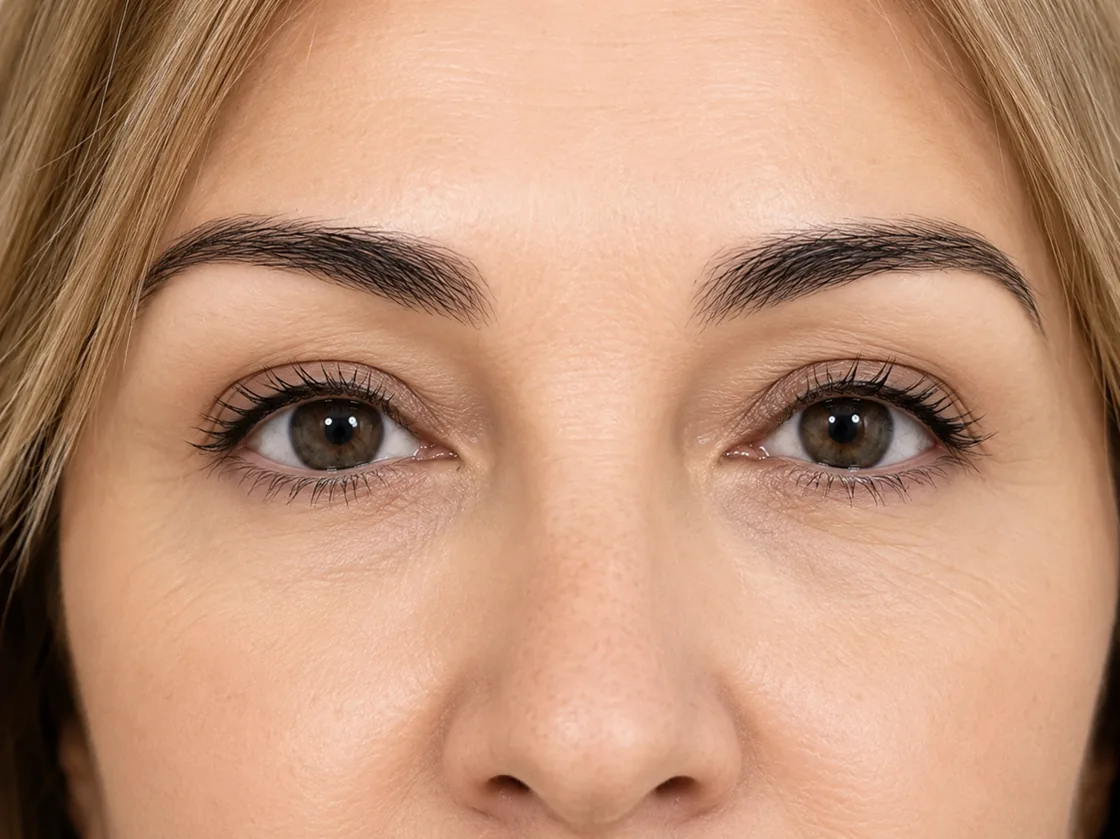
Blepharoplasty (eyelid surgery) corrects excess upper and lower lid skin, muscle, and fat to improve hooded lids, under-eye puffiness, and a tired look. At Facelift 360, examination with Dr. Parsa Charaghipour clarifies candidacy, need to combine with brow lift or ptosis repair, and a cost estimate. See: eyelid anatomy · compare alternatives · educational guide. To start treatment book a consultation.

Approx. duration
1–2 hours
Return to daily activity
About one week
Anesthesia
Based on treatment plan
Cost estimate
Provided after consultation

Benefits, expected results, and limitations

  • Reduction of excess upper lid skin and a more open look when appropriately indicated
  • Correction of structural under-eye puffiness via fat excision or fat repositioning
  • Possible partial improvement in visual field when drooping skin crosses the lash line
  • Structural results usually more durable than repeated short-term Botox/filler for the same problem
  • Optional combination with temple lift, face lift service page, or ptosis repair — combining with facelift and complementary procedures

Limitations you should know realistically

  • Does not replace brow or forehead lift — if brow ptosis dominates: blepharoplasty vs brow lift.
  • Does not remove dynamic crow's feet like Botox.
  • True skin pigment darkness is not necessarily fixed by removing fat; shadow from puffiness is different.
  • Zero scar is not realistic; facial surgery scar framework: facial surgery scars.
  • Aging continues; appearance often lasts roughly 7–15 years in reports — how long results last.

Surgery steps from consultation through follow-up

Incision design, skin/fat removal, and need for canthopexy or ptosis repair vary by patient. Typical path at Facelift 360:

  1. Eyelid, brow exam and treatment design

    Assess dermatochalasis vs ptosis, fat pads, tear trough, brow position, and alone vs combination with midface lift or upper-third procedures. Approaches: technique table.

  2. Local anesthesia, sedation, or light general anesthesia

    Most cases use local anesthesia with sedation; on pain and anesthesia: is surgery painful?.

  3. Pre-operative medical preparation

    Blood-thinner adjustments as directed, smoking cessation, labs — checklist: preparing for surgery.

  4. Incision and skin, fat, and orbicularis correction

    Upper: incision in the natural crease. Lower: subciliary (below lash line) or transconjunctival from the conjunctiva; fat excision or fat repositioning — details in technique types.

  5. Canthopexy or lower lid support reinforcement

    Canthopexy or canthoplasty for lower lid support and reduced ectropion risk.

  6. Wound closure, drops, and follow-up visits

    Fine sutures, drops/compress as directed, visits on days 3, 7, and 14, and scar monitoring until incision maturation.

Blepharoplasty consultation with Dr. Parsa Charaghipour

Specialist consultation: dermatochalasis, ptosis, and fat puffiness

Consultation with Dr. Charaghipour begins with upper-third facial analysis — not only looking at excess lid skin.

Orbital septum and medial/central/lateral fat pad analysis to distinguish structural puffiness from temporary edema.

Brow position assessment: is heaviness from dermatochalasis or forehead/brow descent?

Levator function testing for ptosis and possible simultaneous correction.

Separating lower lid puffiness from tear trough shadow darkness; treatments differ.

Treatment plan based on your eyelid anatomy

Technique is unique to each patient. Based on skin quality, age, orbital bone structure, and collagen, one path is designed among upper, classic lower, transconjunctival, four-lid, and when needed canthopexy or combination with brow/midface lift.

Recovery, bruising, swelling, and aftercare

Exact timing varies individually. Clinic framework below; day-by-day education: blepharoplasty recovery table. Pre-op preparation: surgery prep checklist. For time off work: how many days off?.

  1. Days 1–3: swelling, bruising, and cold compress

    Peak swelling and bruising; cold compress, sleep with head elevated, lubricating drops as directed. Mild blurry vision or tearing is common and usually temporary.

  2. Days 4–7: suture removal and scar monitoring

    Gradual bruising reduction; visit for suture removal and scar check. Many plan light social return around 7–10 days.

  3. Second week: makeup, contacts, and social return

    Eye makeup and contact lenses usually after about 10–14 days with surgeon clearance. Glasses from day one are usually fine.

  4. Months 1–3: result settling and exercise resumption

    Tissue settling and clearer result; strenuous exercise usually delayed several weeks. Final result often clearer by about three months.

After eyelid surgery care checklist

Your discharge instructions come first. General framework below; more education in the blepharoplasty guide.

  • Cold compress as scheduled in early days; avoid direct pressure on the eyeball
  • Sleep with 2–3 pillows; avoid deep bending and heavy lifting in the first weeks
  • Use prescribed drops/ointment on schedule; no contacts until surgeon clearance
  • No swimming, sauna, eye makeup, or rubbing lids until cleared
  • Smoking impairs healing — continue cessation when possible
  • Vision warning signs: contact immediately — risks section

Possible complications, risks, and eye safety

Blepharoplasty is elective surgery with possible complications. The table and list below are general; personal risk is reviewed at consultation and before consent. Eyelid detail: complications in the blepharoplasty guide · general facial surgery framework: risks and complications.

IssueRelative frequencyTypical response
Swelling, bruising, tearing, or temporary blurCommon, usually temporaryCompress, drops, follow-up visits
Dry eye or chemosisFairly commonLubrication / ocular-surface optimization
Scar or milia on the incision lineSometimesScar care; occasional limited revision
Mild asymmetrySometimesWait for settling; occasional revision
Ectropion / lagophthalmosLess commonPrevention by design; occasional repair
Retrobulbar hematomaVery rare; emergencyImmediate contact — vision threat
Permanent vision lossVery rareDiscussed in informed consent

Educational table — not your case statistics. Frequency depends on anatomy, technique, and aftercare.

  • Bleeding, hematoma (rare; retrobulbar hematoma is a vision emergency), infection, or delayed healing
  • Swelling, bruising, chemosis (conjunctival edema), tearing, or temporary blurry vision
  • Dry eye or worsened dry eye syndrome — protecting meibomian glands in design matters
  • Scar more visible than expected, milia on the incision line, or mild asymmetry
  • Over-removal of skin/fat → hollow eyes, lagophthalmos (incomplete lid closure), or older appearance
  • Ectropion or entropion; lid margin malposition — canthopexy is sometimes preventive
  • Rare temporary double vision; permanent vision loss is very rare but discussed in consent
  • Rare need for revision surgery or dissatisfaction if expectations are unrealistic
  • Anesthesia/sedation risks based on individual medical status

Vision warning signs and post-op emergencies

Sudden severe pain, vision decrease, severe one-sided swelling, active bleeding, high fever, or any symptom outside discharge instructions — call 021-26421734 or the discharge pathway immediately; do not wait for the next visit.

Smoking cessation, dry eye/thyroid optimization, and aftercare reduce some preventable risks. Patients with medical conditions: surgery with diabetes and hypertension. The list above does not replace personal informed consent.

Cost factors and insurance

A fixed number without examination is not valid. This page summarizes how cost is decided for your case. Approximate educational market ranges live only in the blepharoplasty guide — cost — not as a fixed clinic tariff. Your estimate follows examination — book a consultation.

Operative area: upper lid, lower lid, or both (four lids)
Technique: transconjunctival vs subciliary; fat repositioning vs excision
Need for canthopexy, ptosis repair, or combination with face lift / brow
Anesthesia/sedation type, operating room, and follow-up visits
Prior eyelid/eye surgery and anatomic complexity

Insurance, functional indication, and visual-field testing

Elective cosmetic blepharoplasty is usually not covered by basic Iranian insurance. If lid descent documents visual-field limitation, a functional indication may be discussed — coverage is decided by the insurer, not the clinic.

Supplementary insurance review often needs medical documents; visual-field testing (perimetry) and specialist confirmation may be requested. Documentation pathway is clarified at consultation; the clinic does not promise coverage.

  • Separate cosmetic vs functional intent during lid exam and vision-symptom review
  • When indicated: coordinate perimetry / ophthalmology documents per insurer request
  • Patient or representative submits forms to the supplementary insurer
  • Cosmetic estimate if coverage is denied — book a consultation

For a transparent estimate based on your eyelids — not an internet tariff — book a consultation. Payment terms may be discussed in person.

Comparison with brow lift, filler, Botox, laser, and non-surgical options

Goal is not to attack alternatives; match method to problem. Brow–lid border: eyebrow lift guide · FAQ: bleph vs brow lift. Canthopexy/canthoplasty: technique table.

Dr. Parsa Charaghipour — blepharoplasty surgeon in Tehran

Surgical philosophy: tissue preservation and fat repositioning

In real eyelid exams, Dr. Charaghipour first separates excess skin, fat herniation, true ptosis, and brow heaviness — then designs how much fat to remove versus reposition. The approach is "preserve and rearrange tissue," not aggressive depletion that hollows the eye. Fat repositioning is prioritized when hollowness/tear trough accompanies puffiness; the goal is youthful peri-orbital volume and orbicularis health, not an operated look.

Patient path: consultation through informed consent and follow-up

Standard decision path for blepharoplasty at this clinic — complements legal consent, does not replace individual consultation.

Clinic, surgeon, and office address in Tehran

Specialist face and eyelid rejuvenation clinic in Tehran

جراح مسئول
Dr. Parsa Charaghipour — Blepharoplasty examination, plan design, surgery, and early follow-up are performed by the operating surgeon — not delegated to a non-medical intermediary. Credentials: doctor page.
آدرس
Milad Building, No. 246, ground floor, unit 6 — Mirdamad Blvd toward Modarres, after Shams Tabrizi Jonoubi, next to Arian shopping center, Tehran
تماس
021-26421734
پیگیری
Follow-up visits are scheduled after surgery, with a clear contact path for recovery concerns.

Why patients choose this clinic path

Specialist facial rejuvenation clinic in Tehran (Mirdamad). Examination and surgery with Dr. Parsa Charaghipour; lid-alone treatment only when truly sufficient. Surgeon selection criteria: choosing a facelift surgeon.

Scope diagnosis: alone vs combination

Clear border between blepharoplasty alone, combination with brow or ptosis, and non-surgical care.

Examination and surgery with the operating surgeon

Consultation, planning, and follow-up with the surgeon — not a non-medical intermediary.

Transparency on risk, limits, and cost estimate

Cost factors and complications reviewed before you decide; no hidden fees.

Support and visits during recovery

Support in early days, drops/compress kit, visits on days 3/7/14, and follow-up until scar maturation.

Patient FAQs

Eyelid surgery (blepharoplasty) corrects excess skin, herniated fat, and when needed superficial muscle of the upper and/or lower lids. Definition: what is eyelid surgery? · deeper education: blepharoplasty guide.

Consultation session prep checklist

To make your session with Dr. Charaghipour more useful — and for surgery day if you decide: surgery prep checklist:

Blepharoplasty — Facelift360

Book an in-person consultation

If you are ready to define your eyelid treatment path at the clinic, start with an in-person consultation. Before your visit: blepharoplasty educational guide · FAQ.