
BeforeAfter
Drag to compare
Non-Surgical Lift
Non-surgical rejuvenation
Natural, refined transformation
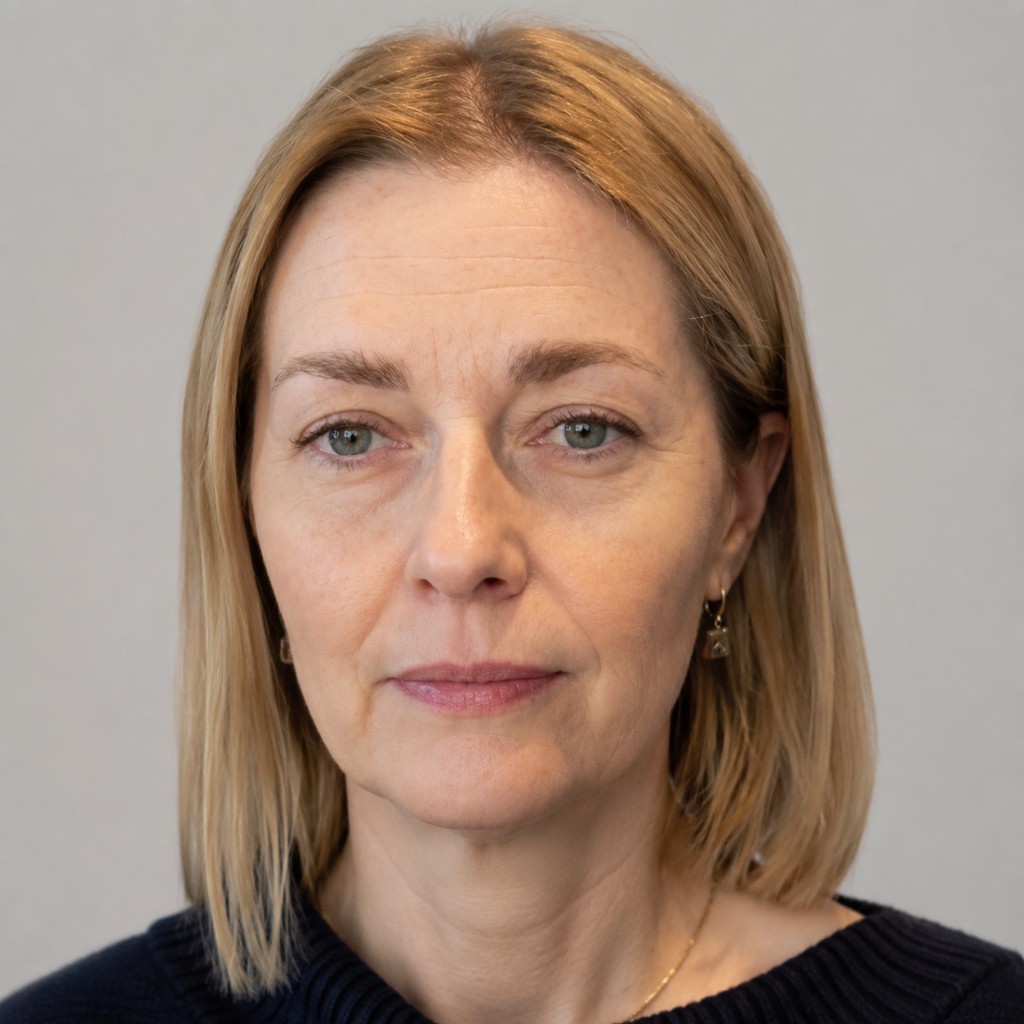
Sample surgical result. Outcomes vary with anatomy, skin quality, and healing.

A non-surgical facelift encompasses a variety of minimally invasive procedures designed to lift, tighten, and rejuvenate the skin without the need for large incisions, general anesthesia, or overnight hospital stays.
It involves utilizing energy-based devices or injectable materials to stimulate collagen, restore lost volume, or physically reposition sagging tissues. These procedures offer a refreshed appearance with minimal downtime.
Drag the slider to compare a real non-surgical facelift result from our gallery.
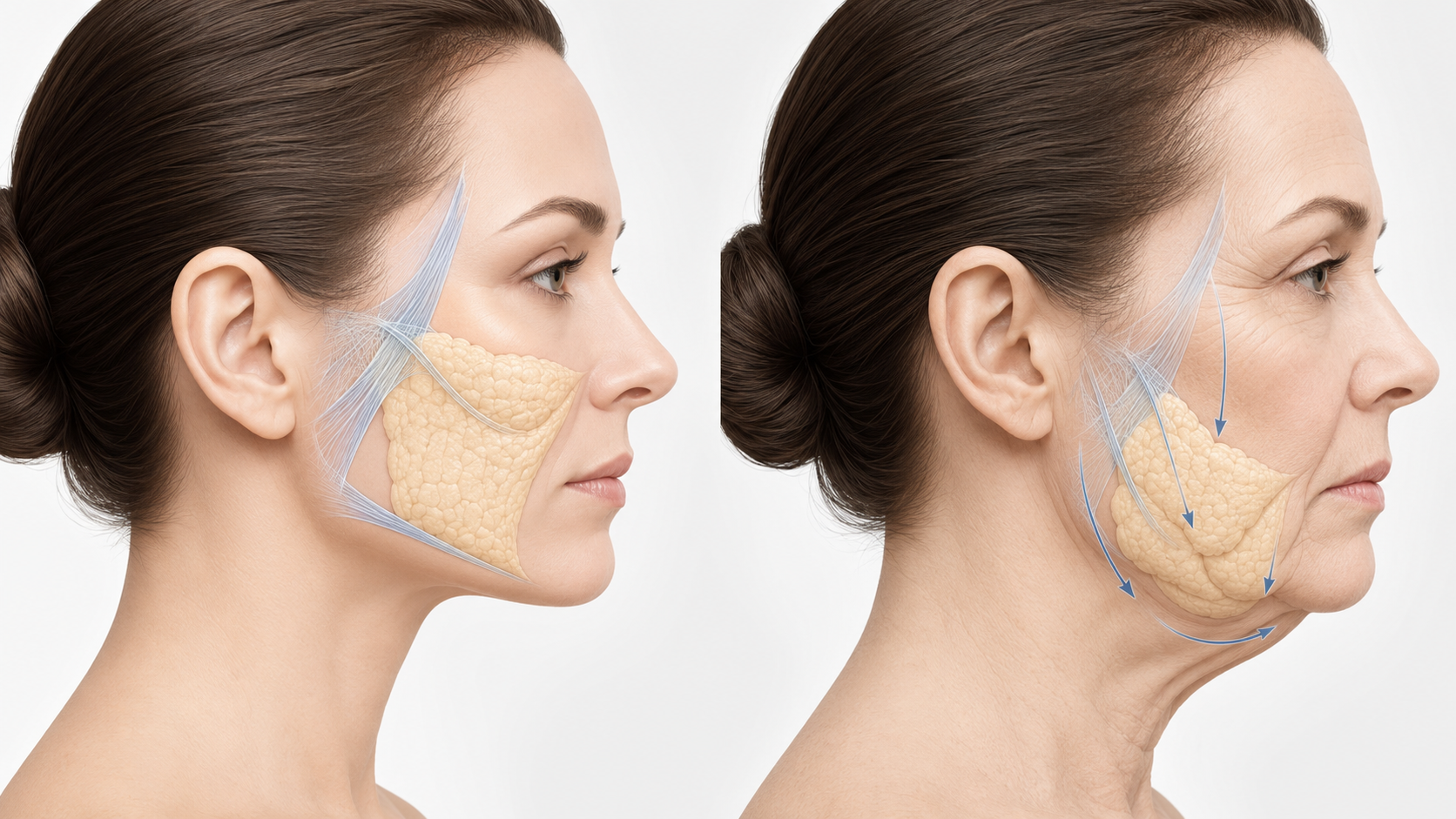
As we age, the structural integrity of our skin diminishes. The natural production of collagen and elastin—the proteins responsible for skin firmness and elasticity—declines significantly. Additionally, facial fat pads shrink and shift downward due to gravity.
If you are still weighing surgery versus non-invasive options, also review our facelift candidacy checklist. Ideal candidates are individuals in their 30s to early 50s experiencing mild to moderate skin laxity. They should have realistic expectations, preferring subtle enhancements over dramatic surgical changes.
Patients with severe skin sagging, active autoimmune diseases affecting the skin, bleeding disorders, or active facial infections should avoid these procedures. Pregnant or breastfeeding women are also contraindicated for most injectable and energy-based treatments.
After candidacy criteria, these are the main non-surgical technologies; each section covers mechanism, longevity, and limits.
 0:54
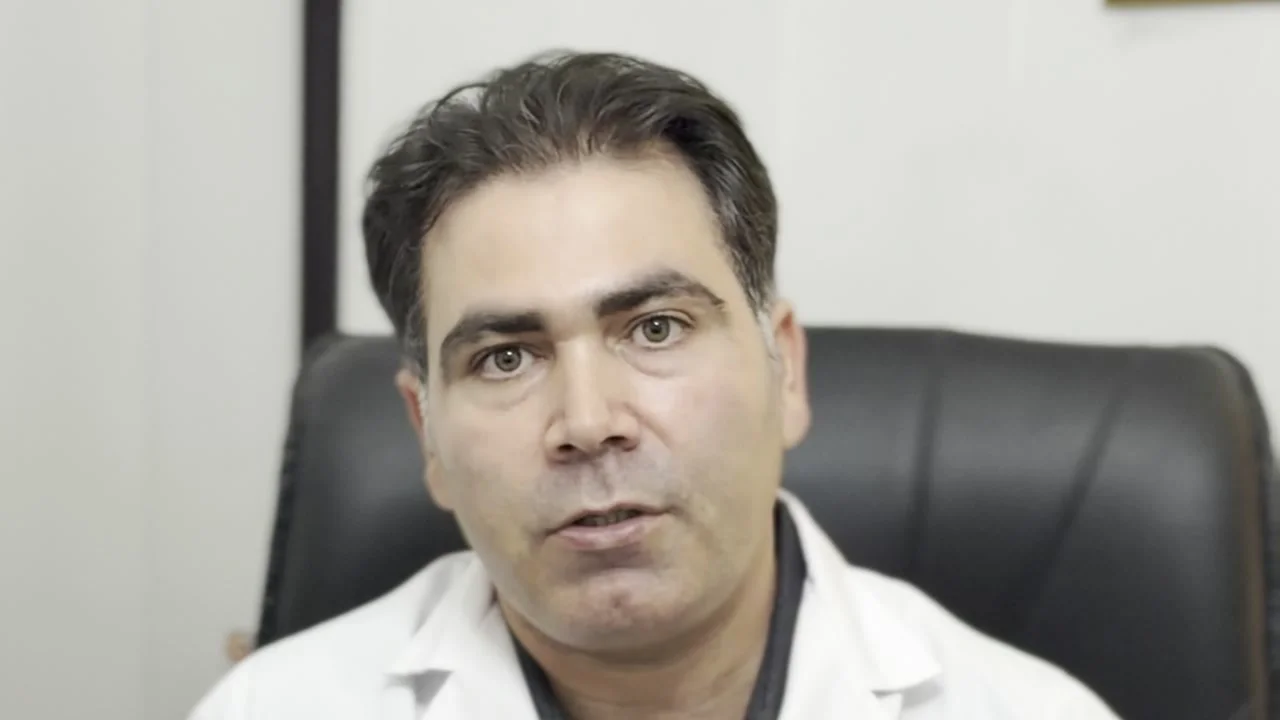
0:54In this video, we explain how we also perform facial lifting without surgery—using a combination of rejuvenation methods like gel and threads. The goal is to create very subtle changes so wrinkles and sagging are reduced. However, these methods have shorter durability and faster reversibility compared to surgical facelift. When the goal is a major transformation with significant wrinkles and sagging, surgical facelift is the right choice.
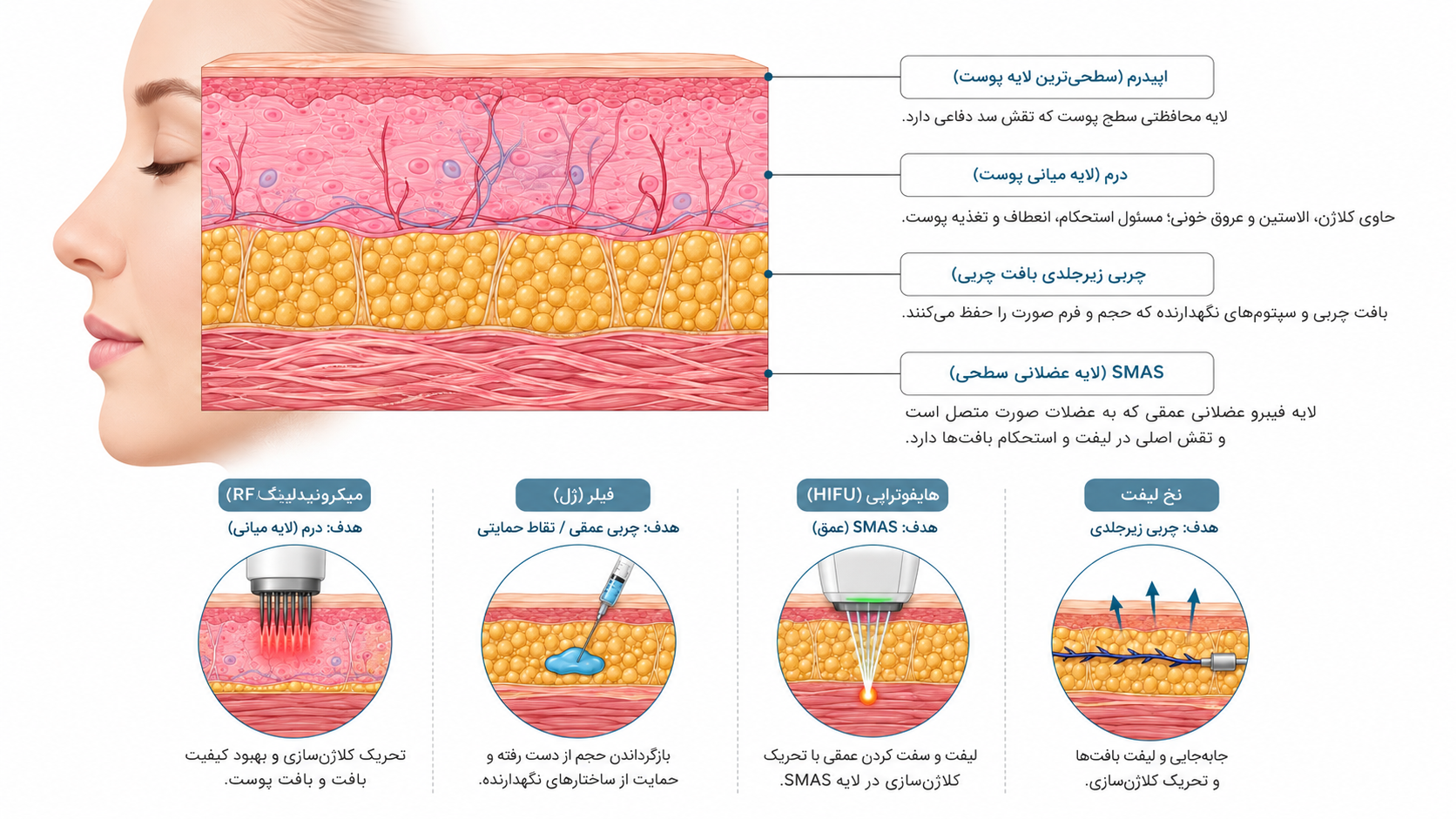
Thread lifting uses dissolvable sutures with tiny barbs to physically lift the skin while stimulating collagen production. It is best for moderate mid-face and jowl sagging. Costs range from 15 to 45 million IRT. Sessions last 45-60 minutes, and results last 12-18 months. Pain is moderate (managed with local anesthesia). Complications can include thread migration or mild puckering.
Fillers restore volume in hollow areas like the cheeks and under-eyes, creating a "liquid lift." For midface-focused sagging, see our midface lift guide. Suitable for volume loss. Costs range from 5 to 30 million IRT. Sessions take 30 minutes, lasting 9-18 months. Pain is minimal. Risks include bruising and vascular occlusion.
HIFU delivers focused ultrasound energy deep into the SMAS layer, causing precise thermal coagulation points that lift the tissue. It is ideal for mild laxity and double chins. Costs: 6-15 million IRT. Duration: 60 minutes. Longevity: 12-24 months. Pain: moderate to high. Risks: temporary nerve numbness.
An in-person anatomical assessment clarifies whether deep SMAS tightening, structural volume, or skin firmness should come first.
Book a free consultationRF uses broad thermal energy to heat the dermis, encouraging continuous collagen remodeling. Great for overall skin tightening. Costs: 3-8 million IRT per session. Duration: 45 minutes. Longevity: 6-12 months. Pain: mild warmth. Risks: transient redness.
Plasma devices ionize gas to create a micro-electrical arc, sublimating targeted skin areas. Often used for upper eyelids. Costs: 3-7 million IRT. Duration: 30-40 minutes. Longevity: 1-2 years. Pain: moderate. Risks: prolonged hyperpigmentation.
Lasers remove the outer layers of skin while heating the lower layers. Best for deep wrinkles and severe sun damage. Costs: 5-15 million IRT. Duration: 45-60 minutes. Longevity: 1-3 years. Pain: moderate. Risks: blistering, scarring if misused.
Tiny needles create micro-injuries to boost collagen, often paired with RF. Suitable for textural issues and fine lines. Costs: 2-6 million IRT per session. Duration: 40 minutes. Longevity: 6-12 months. Pain: mild. Risks: minor bleeding, infection if unsterile.
A soft jawline and submental fullness usually mix skin laxity with fat. Milder cases may respond to deep tightening (HIFU) and subdermal laser fat reduction (Endolift). When the neck band and chin pad are clearly hanging, see our neck lift in Tehran guide—surface-only methods will not rebuild a sharp jaw angle alone.
Quick guide by main problem — final choice only after in-person exam:
Mild–moderate sagging needing a focal physical lift
Thread lift
Faster visible change; shorter longevity than surgery
Volume loss in cheeks/temples needing structural support
Fillers (liquid lift)
Restores volume; does not surgically redrape skin
Deeper face/neck laxity without an incision
HIFU
SMAS target; not enough for a very heavy double chin
Weak skin tone needing surface–mid firmness
RF or RF microneedling
More skin quality/firmness than heavy lifting
Blurred jawline with submental fat
Endolift ± HIFU
Severe cases belong on a surgical/neck-lift path
Clear cheek, jaw, and neck descent with long-lasting goals
Surgical facelift
Non-surgical options usually waste time and budget here
If your skin laxity is significant, surgical options provide the definitive results you need. Learn more in our Tehran Facelift Guide. Unsure about surgical extent? Compare mini vs full facelift. Related reading: Temple Lift Guide.
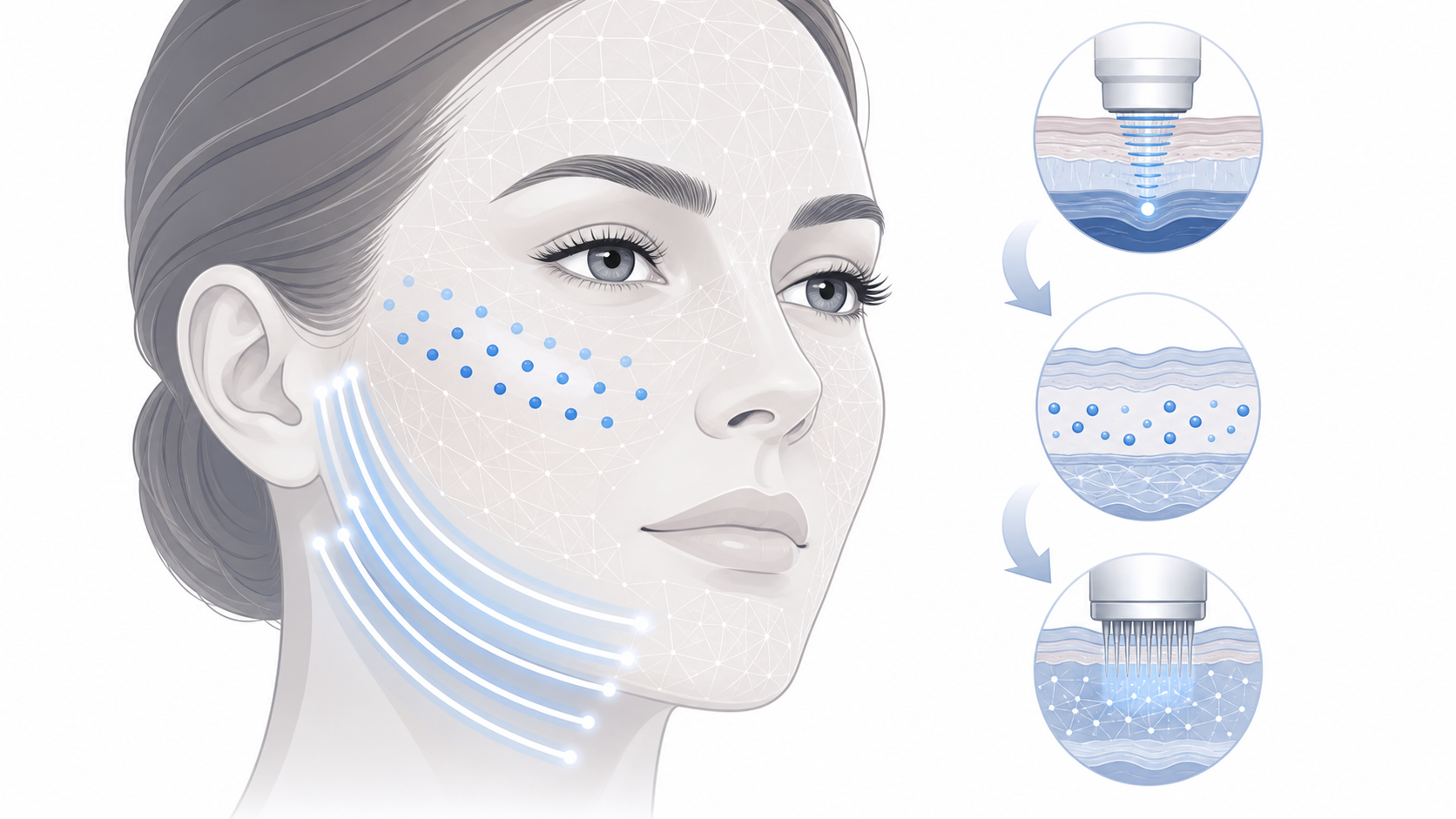
Yes. A multi-layered approach, such as combining HIFU for deep tightening with fillers for volume, often yields superior, harmonious results.
While safer than surgery, non-surgical methods still carry risks.
For an in-depth look, read our Facelift Complications Guide.
If you experience severe, worsening pain, skin blanching, or signs of infection after any procedure, contact your specialist immediately. Read more in our Recovery Tips.
Prices vary wildly based on material quality and practitioner expertise. For a detailed breakdown, see our 2026 Facelift Cost Guide.
A fixed online price is usually misleading. In consultation, we outline a realistic combination and fee range.
Book a consultationChoose an expert to ensure safety and aesthetic harmony. More on Choosing a Surgeon.
This article is based on reputable scientific and medical sources on minimally invasive facial rejuvenation:
This guide is educational only and is not a substitute for in-person examination, individualized diagnosis, or personalized treatment advice. Method choice should follow facial anatomy assessment, medical history, and realistic expectations with a qualified physician.
Pain levels depend on the specific method. Procedures like thread lifts or HIFU have moderate pain, manageable with numbing creams or local anesthesia. Filler injections typically involve minimal pain.
Most have minimal to no downtime. Thread lifts may cause mild swelling or bruising for up to a week, while HIFU and RF generally have zero downtime.
کاربرد این دو متفاوت است. نخها بافتها را از نظر فیزیکی بالا میکشند و برای افتادگی ناحیه فک مناسبترند. اما تزریق ژل برای پر کردن فرورفتگیها و جبران حجم از دسترفته در گونهها و شقیقهها ایدهآل است. پزشک ممکن است ترکیب هر دو را پیشنهاد دهد.
هایفوتراپی با امواج فراصوت به لایه بسیار عمیق (SMAS) نفوذ کرده و آن را سفت میکند. اما آر اف (رادیوفرکانسی) امواج گرمایی را به لایههای سطحیتر میتاباند تا کیفیت پوست بهبود یابد و چروکهای ریز برطرف شوند.
بله، اتفاقاً بسیاری از آقایان به دلیل عدم تمایل به گذراندن دوره نقاهت جراحی، طرفدار پروپاقرص تکنیکهای لیفت با دستگاه نظیر هایفو و اندولیفت هستند که هیچ جای زخمی بر جای نمیگذارند.
گلدنتایم (زمان طلایی) برای انجام این مداخلات بین ۳۰ تا اوایل ۵۰ سالگی است؛ زمانی که کلاژنسازی پوست شروع به افت کرده اما هنوز افتادگی شدیدی رخ نداده است.
خیر. تمامی روشهای جوانسازی و لیفت صورت در دسته مداخلات زیبایی قرار میگیرند و هیچکدام از بیمههای پایه یا تکمیلی هزینههای آن را پرداخت نمیکنند.
بله، در بسیاری از مواقع برای دستیابی به بهترین نتیجه، جراح پس از عمل لیفت صورت، از تزریق فیلر برای حجمدهی یا از لیزر برای بهبود بافت سطحی پوست استفاده میکند.
هیچکدام از این روشها دائمی نیستند. ماندگاری آنها بسته به تکنیک استفاده شده (مثلاً آر اف حدود ۶ ماه و لیزر اندولیفت تا ۳ سال) و همچنین متابولیسم بدن فرد متفاوت است.
مهمترین اقدام، قطع مصرف داروهای رقیقکننده خون (مانند آسپرین)، مکملهای ویتامین E و امگا ۳ از حدود یک هفته قبل است تا احتمال خونریزی و کبودی به حداقل برسد.
در سال ۱۴۰۵، هزینه لیفت کامل صورت با استفاده از نخهای معتبر و استاندارد در مراکز جوانسازی تخصصی تهران بین ۱۵ تا ۴۵ میلیون تومان متغیر است.
استفاده از متریال ارزان و تقلبی، یا دستگاههای غیراستاندارد نهتنها تأثیر مثبتی ندارد، بلکه ریسک بالای عفونت، سوختگی و آسیبهای جبرانناپذیر عصبی را به همراه دارد.