
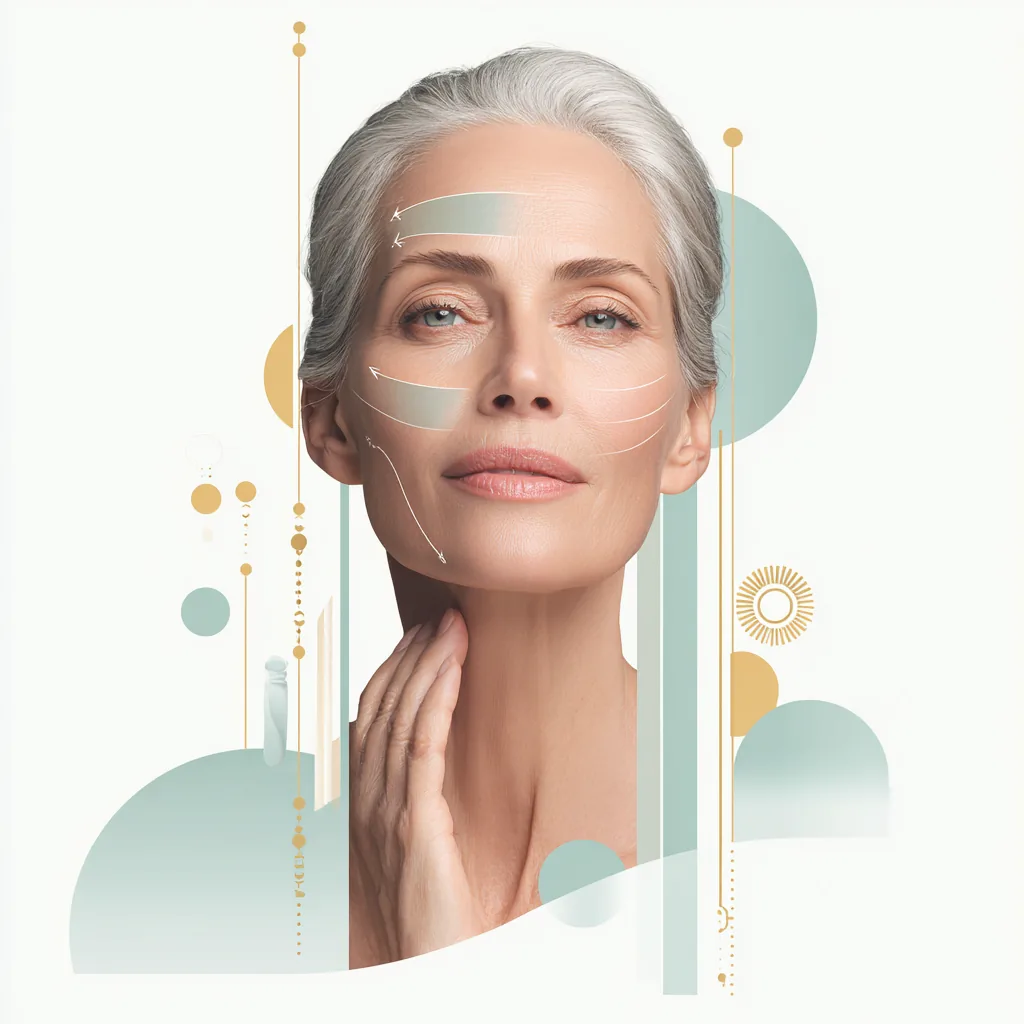
Facelift Recovery Time and Healing Process
Introduction
A facelift, or rhytidectomy, is a popular cosmetic procedure designed to reduce signs of aging in the face and neck. As with any surgical procedure, understanding the recovery time and healing process is crucial for anyone considering this transformative journey.
Recovery from a facelift can vary significantly from person to person, influenced by factors such as the extent of the surgery, individual health, and adherence to post-operative care guidelines. This article aims to provide a comprehensive overview of what you can expect during the recovery phase after a facelift, including timelines, tips for care, and insights from medical professionals.
By the end, you'll be equipped with the knowledge to navigate your recovery smoothly and effectively.
Understanding Facelift Surgery
The Recovery Timeline
Immediate Post-Operative Phase (Days 1-3)
The initial recovery phase begins immediately after surgery. Patients often experience swelling and bruising, which are normal.
During this period, it's essential to rest and follow your surgeon's post-operative instructions closely. Keeping your head elevated can help reduce swelling, and applying cold compresses to the face may provide relief.
Tips for a Smooth Recovery
 0:56
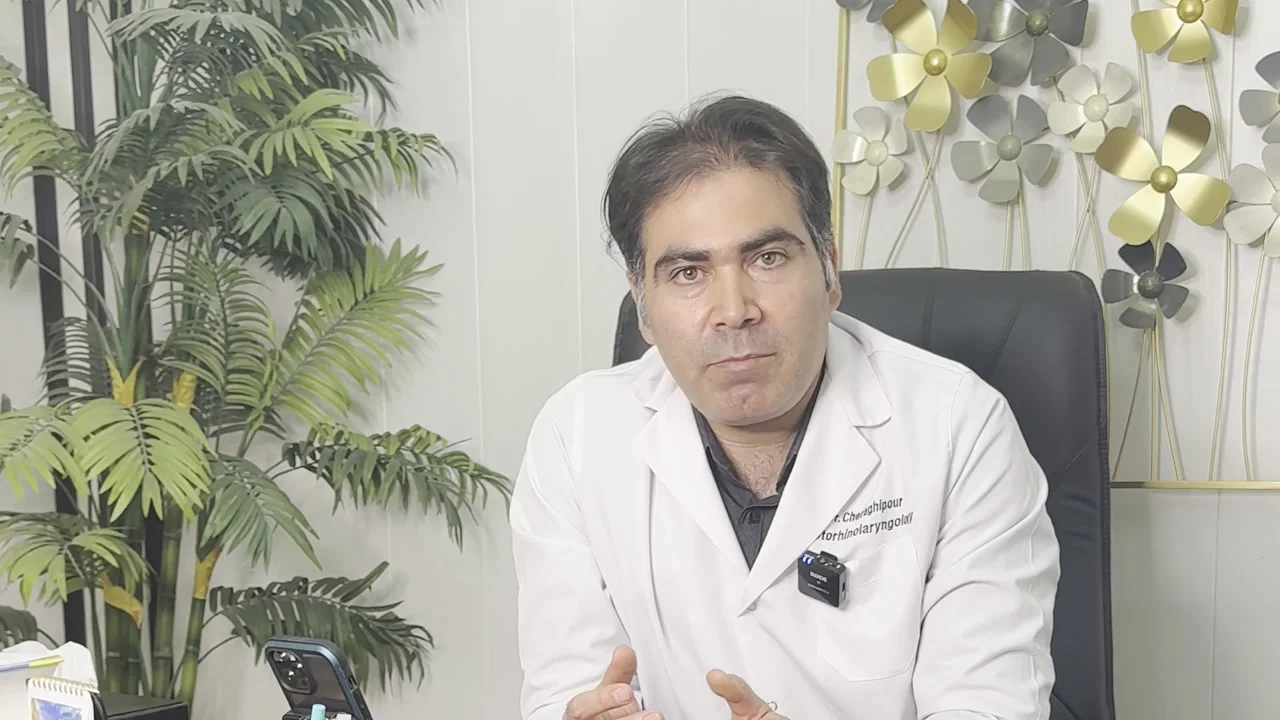
0:56Postoperative Care After Facelift Surgery
Essential early postoperative steps to reduce swelling, bruising, and recovery time.
Follow Your Surgeon’s Instructions
Adhering to your surgeon's guidelines post-operatively is crucial. They will provide specific instructions regarding medication, wound care, and activity levels.
Following these recommendations can significantly impact your overall recovery experience. For example, avoiding smoking and alcohol during the healing process can help reduce complications.
Frequently Asked Questions (FAQ)
Conclusion
Recovering from a facelift is an essential phase that requires patience and care. Understanding the timeline and following your surgeon's recommendations can help you achieve the best possible results.
With the right approach, you can navigate the healing process smoothly and enjoy the rejuvenated appearance you’ve been dreaming of. Remember, every person’s journey is unique, so be sure to communicate with your medical team for personalized advice and support.